In keeping with the north-west/south-east split that seems to have been something of a pattern this summer, we saw another plume of heat extend up from the Iberian Peninsula to bathe much of southern and eastern England, while several low-pressure systems, including one storm bringing damaging winds, crossed parts of Northern Ireland, Wales, and Scotland. Here in the south, temperatures extended into the low 30s Celsius (high 80s F), and a few places recorded tropical nights (where temperatures stayed above 20C/68F overnight). Most of England also saw very little rain for the sixth month in a row, with England seeing only 1% of the rainfall we'd expect in August, resulting in more counties declaring drought and imposing restrictions on water usage. Many farmers in central and eastern England were reporting significantly below average harvests this year, owing to the incredibly hot, dry spring and summer.
Speed Read of the month
Our only diving shrew, and found primarily in wetland habitats, the Eurasian water shrew is also the largest of the four members of the shrew family in mainland Britain and the subject of the latest Speed Read. Historically referred to as the "otter shrew" or "water ranny", this often-overlooked small mammal has a fascinating natural history.
Website news
A new section of the water deer article went online last month, this one covering the role of the species in deer-vehicle collisions both here and in their native range.
News and discoveries
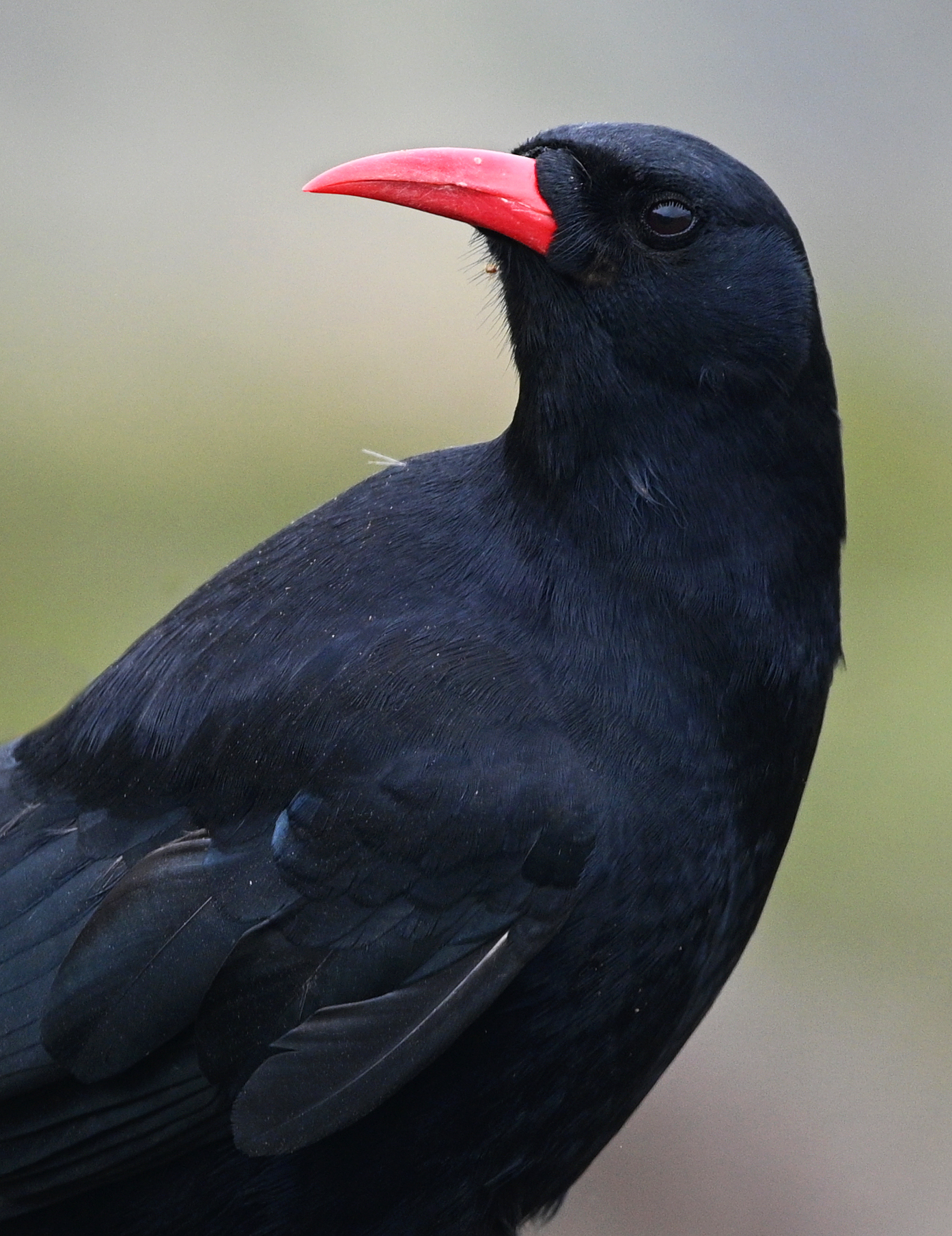
Choughed. First recorded in England during the Medieval period, the chough (Pyrrhocorax pyrrhocorax) has a long history in Cornwall, being on the county's Coat of Arms and in its mythology (King Arthur was said to have turned into a chough on his death). It was at one time so prevalent in the county it was known as the "Cornish chough". Choughs were once much more widely distributed and abundant in Britain and Ireland than they are today, found both inland and coastally. The population had contracted to the west coast in Scotland by the start of the 19th century and the species was declared extinct in the West Country in 1973. Recent conservation projects have seen a rebound of choughs in England, however, and they have been successfully breeding in Cornwall for more than a decade now. A similar project in Kent, which saw the first cohort of captive-bred birds released near Dover in 2023, has now reported the first breeding success. In April, we saw the first red-billed chough fledge in the wild in Kent for more than 200 years, marking a milestone for conservation and the species' return to this historic chalk grassland habitat.
Plastic pollution. Frustratingly, global talks on the future of plastics organised by the United Nations collapsed last month without agreement on how to handle the rapidly escalating issue of plastic pollution. Plastic pollution is one of the most significant threats to the environment and human health in more than a generation, with one estimate suggesting that in 2023 there were 171 trillion pieces of plastic littering our oceans. Moreover, microplastics have been recorded everywhere on Earth sampled so far, from the Arctic to the Mariana Trench, with turbidity currents (fast-moving underwater avalanches) responsible for transporting vast quantities of microplastics into the deep sea. They’ve also been found throughout the human body, including in our brains, which has raised concerns recently about the potential for plastics contributing to dementia. The delegates failed to reach agreement on whether the focus should be on recycling plastics or reducing their production.
Breakfast boost. This year marked a decade since the Jordans Farm Partnership, an initiative setup between Jordans Cereals, The Wildlife Trusts, and Linking Environment And Farming (LEAF) to try and boost biodiversity on cereal farms in Britain. There are currently 27 farms across England in the partnership, all employing bespoke conservation programmes to help increase and improve the wildlife habitat by planting hedgerows, digging ponds, sowing set-aside, and so forth. A report issued by The Wildlife Trusts back in July described how more than half of the farms had reported new or returning species since joining the partnership, including the return of Red List bird species such as sparrows, nightingales, and goshawk, rare plants like the meadow clary, and new breeding sites for curlew. Planting and restoring of hedges has seen the hedge line across the farms total just over 620 km (2,000 ft.) and the farmers that grow oats for Jordans now provide an area equivalent to almost 30% of their farmed area for wildlife.
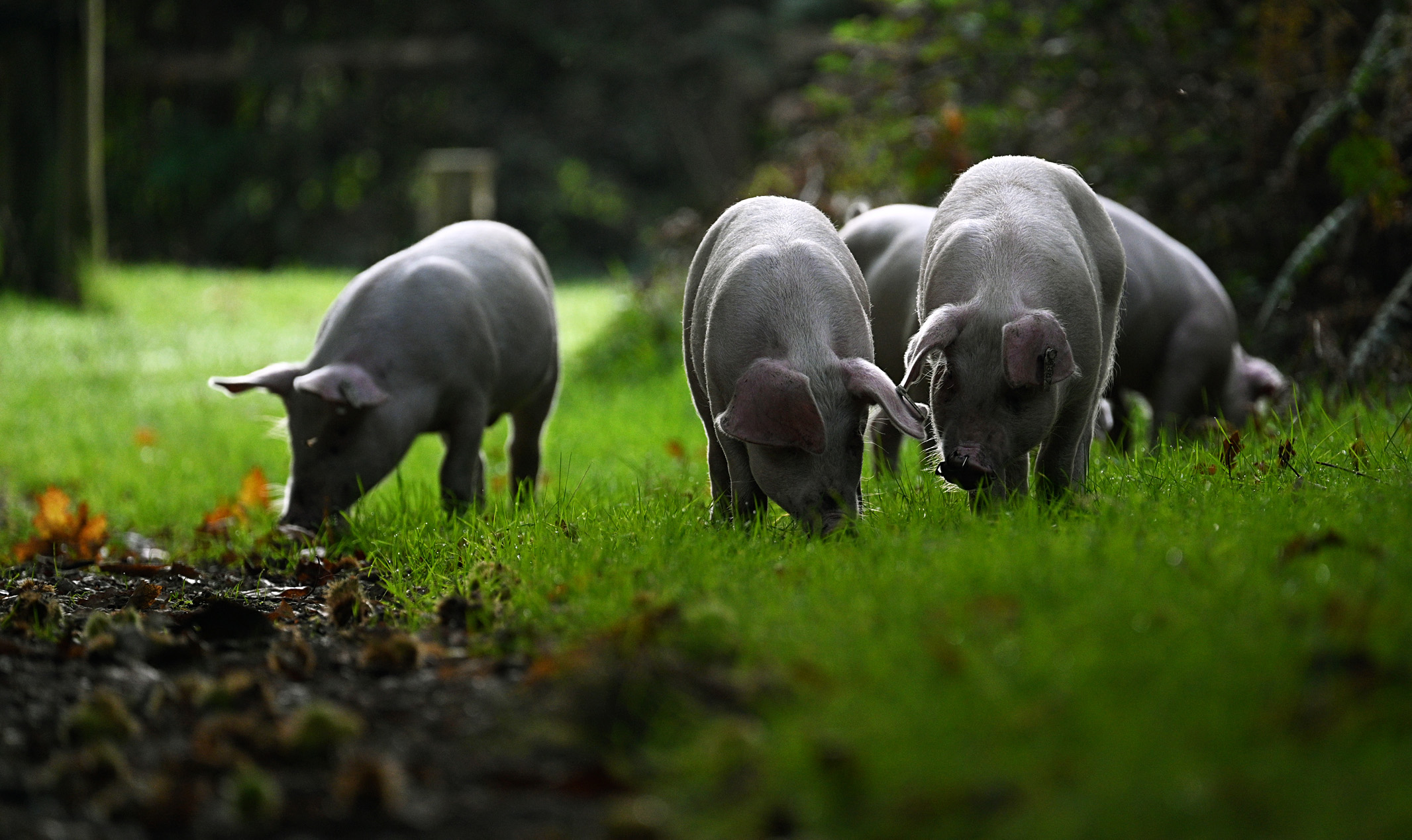
For a round-up of Britain's seasonal wildlife highlights for early summer, check out my Wildlife Watching - September blog. September also marks the beginning of the pannage season, also known as the Common of Mast, where pigs are turned out onto the New Forest to eat the acorns. Learn more about this ancient tradition here.