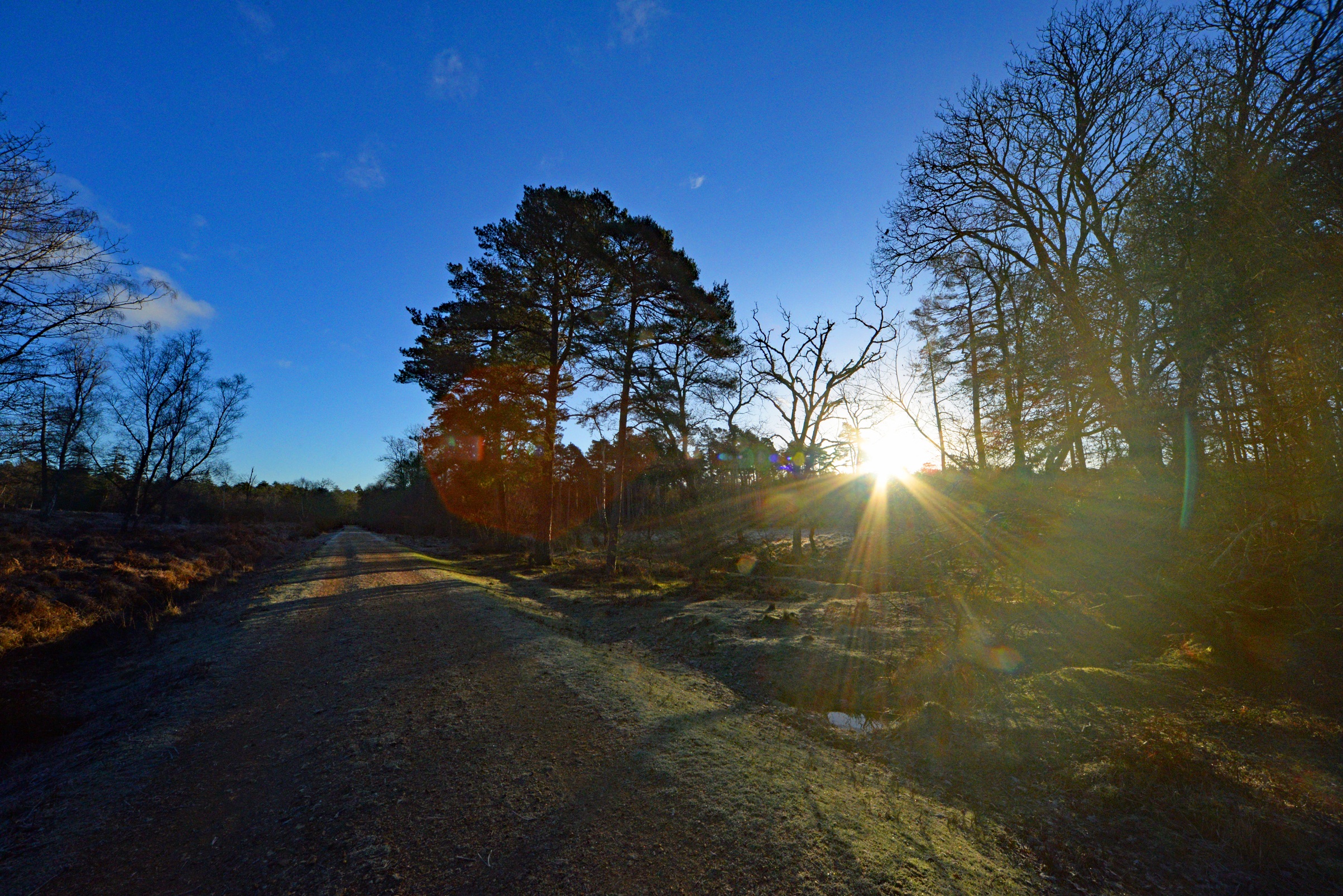
October started on a generally autumnal note, with several low-pressure systems causing wet and at times windy conditions to the UK during the first week. We even saw some much-needed rain here in the south-east of England, although it wasn't to last. A few more lows passed through until mid-month, bringing temperatures into the low 20s Celsius in the south-east, so several degrees above average. The strong, persistent Azores high was dominant during the second half of the month, bringing more settled and dry weather to all but the northern extremes of Scotland. Things cooled off towards the end of the month, and a couple of deep low-pressure systems saw October out, storm Austen blew through the south of England, and Boelo swept across the north.
Website news
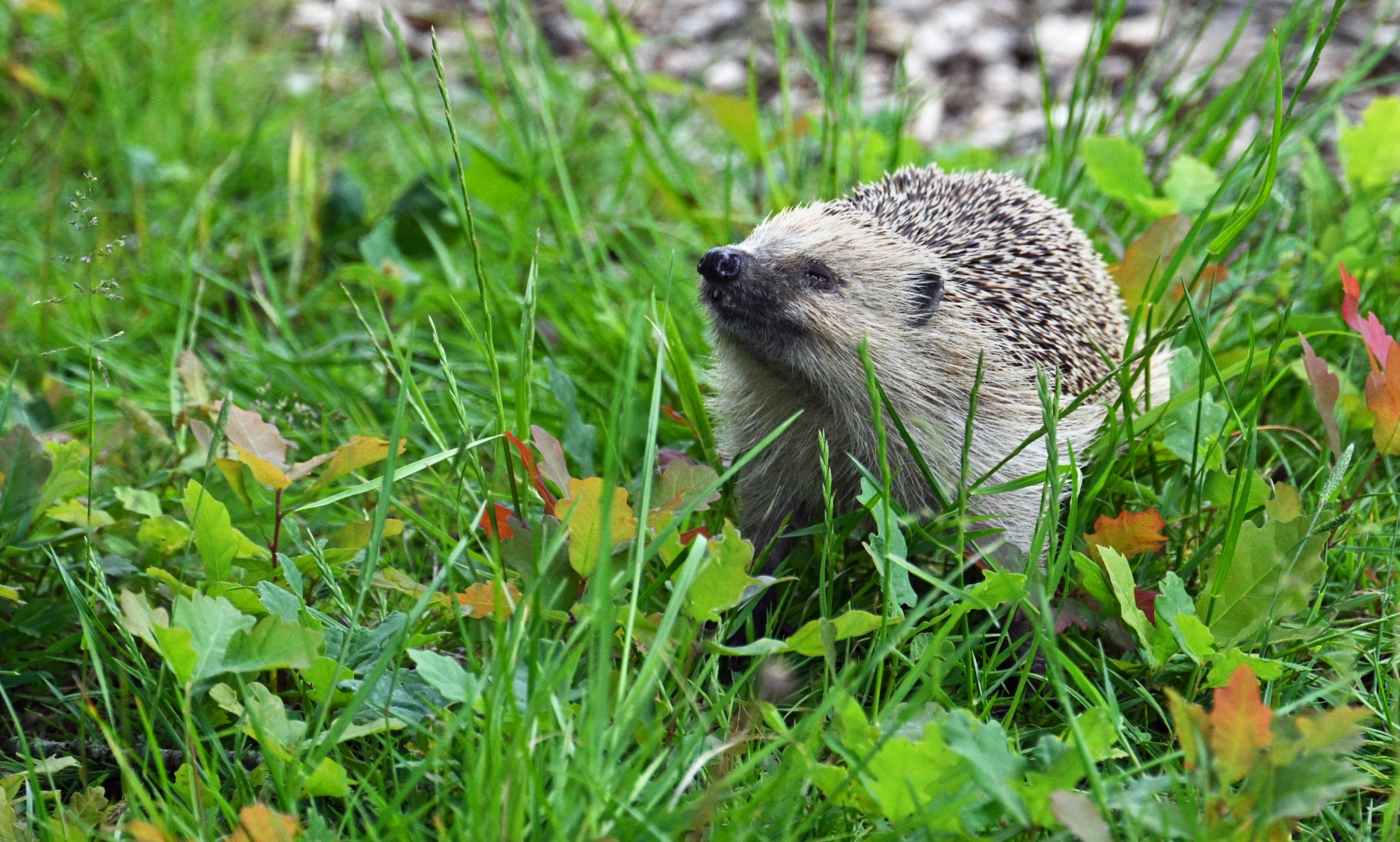
Over the last month my efforts to review and add references to the new water deer profile have continued and several are now complete, including a revised and updated feeding anatomy, habitat and activity sections. In addition, I've been revising some of the Question & Answer articles. The most recent of these is the screed covering the decline of the hedgehog in Britain. This was originally one very long Q&A and I've now revised and updated it to be two more targeted and detailed articles: Are hedgehogs declining in Britain? and Why are hedgehogs declining in Britain? The release of these articles coincides with a paper published in Ecology and Evolution that analysed three surveys, the longest going back to 1981, all of which showed declines at rural sites.
I was also pleased that an article on Chinese water deer that I co-wrote with the legendary Dr Arnold Cooke made it into last month's issue of British Wildlife.
News and discoveries
Bird brunch is back. Earlier this year the RSPB caused some uproar when they advised people to stop feeding their garden birds during the summer – advice aimed at combating the spread of trichomonosis, a disease severely impacting finch populations. Pausing bird feeders during warmer months allowed natural garden resources like wildflower seeds, ponds, and native insects to sustain visiting wildlife. The arrival of cooler weather reduces disease transmission risks, and the RSPB is urging households to put their feeders back up. Starting on 1st November, gardeners can safely restart feeding seeds and peanuts to help wild birds endure the winter as natural food sources dwindle. By following hygienic seasonal feeding practices and utilising responsibly sourced food, supporters play an active role alongside the RSPB and the Garden Wildlife Health partnership in protecting threatened species and helping finch populations recover.
Deer, Densities, and Diversity. Recent research summarised by the British Deer Society highlights a major shift in how experts evaluate the coexistence of British woodland expansion and wild deer, moving from tracking total population numbers to assessing browsing impacts and ecological outcomes. While a major study from Forest Research and the University of Stirling found that high deer activity (over two detections daily on camera traps) strongly correlates with seedlings failing to reach sapling stage, it also showed that woodland structure, size, and specific deer species (such as roe, red, or muntjac) heavily dictate risk levels. Surprisingly, light browsing can sometimes aid tree recruitment by suppressing competing vegetation, prompting land managers to move away from complete exclusion or costly fencing toward landscape-scale planning and establishing acceptable impact thresholds. Ultimately, managing this balance requires incorporating predictive tools like the iDeer Project and aligning the differing priorities of conservationists, foresters, farmers, and deer managers to define what successful nature recovery looks like.
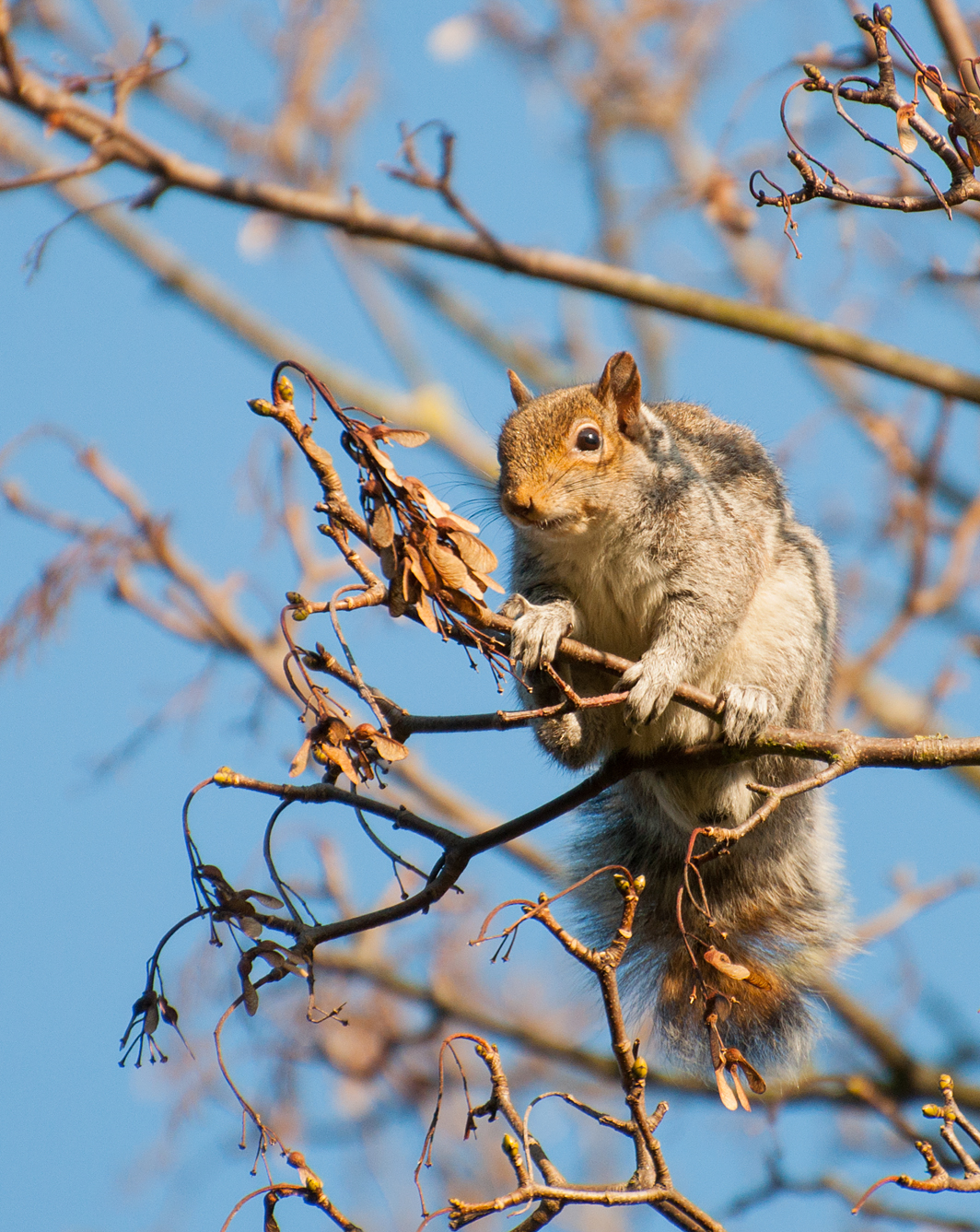
Social squirrels. Eastern grey squirrels (Sciurus carolinensis) are listed by the IUCN as one of the top 100 most invasive species, having been widely introduced throughout North America and Europe. Indeed, some 80% of introductions attempts have resulted in populations becoming established, and just over 70% of those involved fewer than 10 animals, highlighting how adaptable this species is. A recent study published in Mammalian Biology has found that they're not just adaptable in their diet and habitat preferences, but also in their behaviour. Researchers investigated personality differences between native populations of greys in the Northeastern USA, where they're not native, and invasive populations in Italy by assessing 466 squirrels for sociality and stress-coping behaviours. The team found that while stress-coping ability (measured through self-grooming) showed no significant differences between the two groups, sociality significantly differed, with invasive squirrels exhibiting higher sociality. These findings led the scientists to suggest the species may possess a preadaptation allowing them to readily cope with stress and novel environmental challenges regardless of location. Personality traits directly alter individual roles in ecosystems, such as how grey squirrels cache and disperse seeds, and the authors emphasize that predicting an invasive species' ecological impact requires integrating these shifts in population personality distributions with individual behavioural consequences.
Breeding bats. A new study published in Mammalian Biology has investigated the reproductive timing of the common noctule bat (Nyctalus noctula) to assess whether active mating extends beyond autumn and into the spring following hibernation. By examining 627 bats captured across northeastern Germany between February and May 2021 the researchers analysed various male and female reproductive traits. The findings revealed that male epididymides were frequently distended after hibernation, indicating that viable sperm can be retained through the winter. Vaginal cytology showed that while most females were in oestrous or transitioning to metoestrous post-arousal, 15% of the samples contained fresh sperm, providing direct evidence of active spring mating. Furthermore, both male and female buccal glands enlarged progressively over the spring, with male gland size strongly correlating with epididymal state, pointing to a continued social or reproductive function. Additionally, the study documented histological evidence of sperm phagocytosis by neutrophils, supporting the clearance of non-viable sperm. Together, these results demonstrate that noctule mating can extend into spring as a potential "last-chance" reproductive opportunity, highlighting behavioural and physiological plasticity that may help temperate bat species adapt to changing climatic conditions.
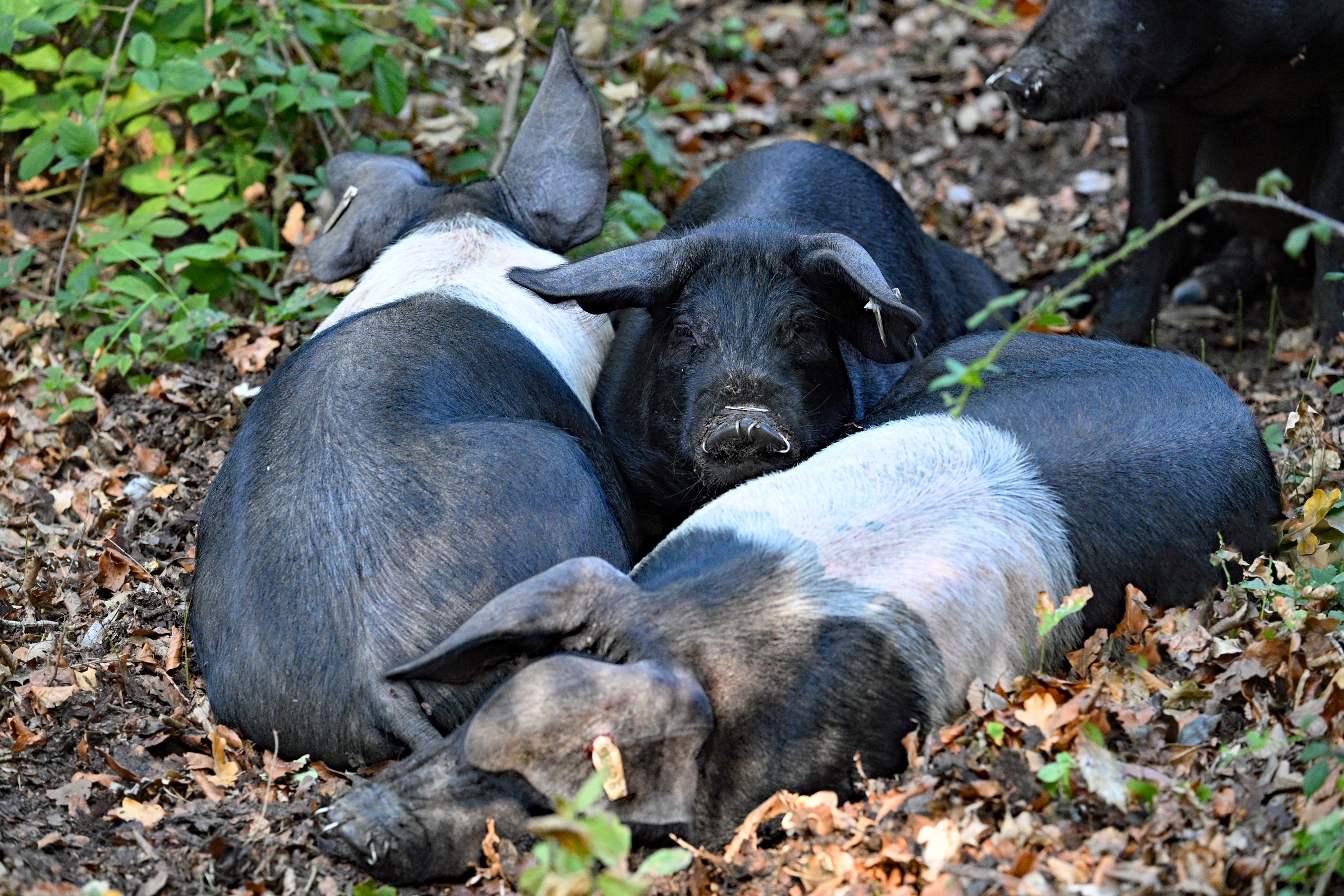
For a round-up of Britain's seasonal wildlife highlights in late autumn, including rising tensions in fox society, starling murmurations, and frisky salmon, check out my Wildlife Watching - November blog. Additionally, as the 2026 pannage season draws to a close here in the New Forest in Hampshire you can still learn more about this ancient tradition in my newly-revised-and-updated article Pigging out in the Forest.