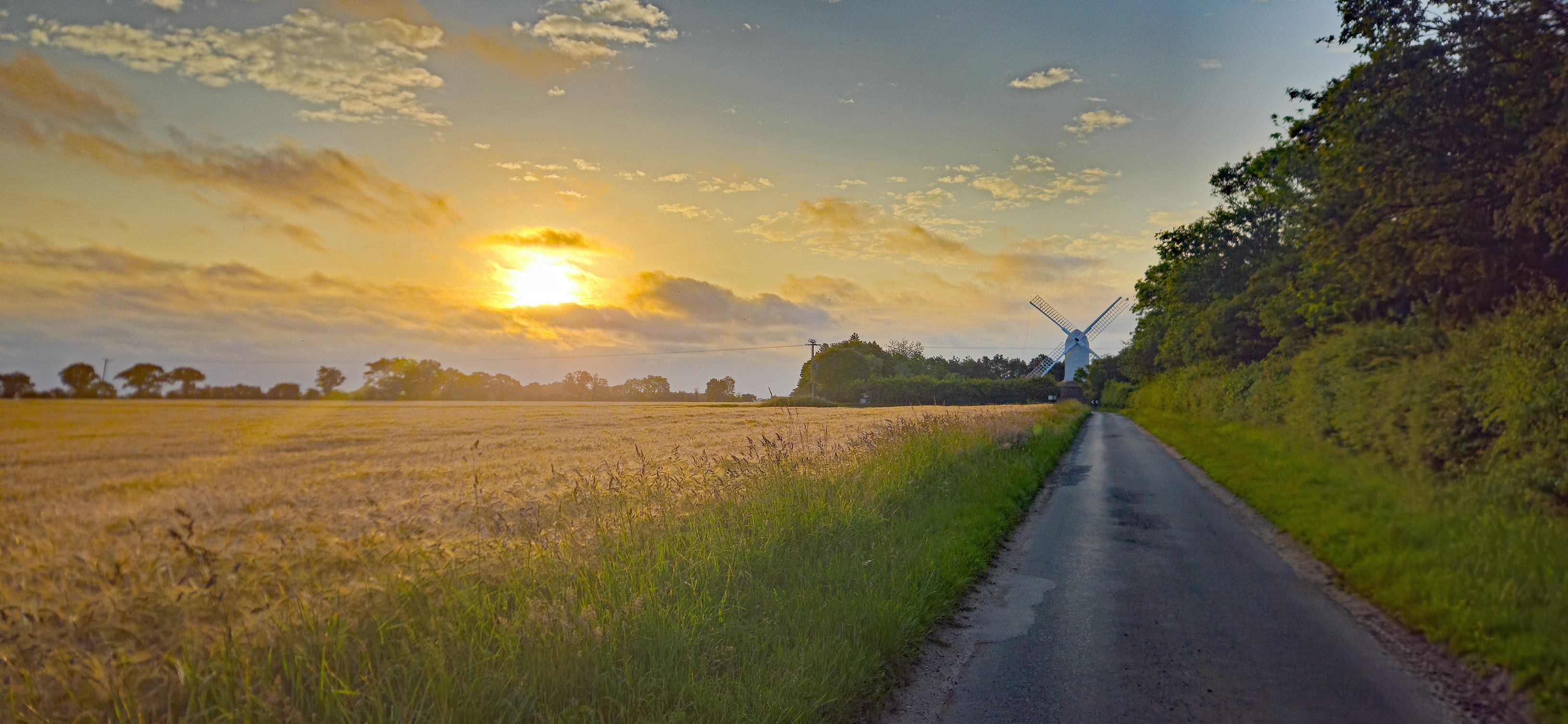
July slipped almost imperceptibly into August, with the first half of the month extending the unprecedented hot, dry weather that defined the summer of 2026 across much of England and Wales. Several low-pressure systems crossed the UK, but their cooler temperatures and rain were largely confined to Scotland and northern England. In England, a fifth heatwave arrived during the second week, bringing further monthly records as temperatures approached 40°C (104°F) in the Midlands. Around mid-month, the high-pressure system shifted towards the continent, allowing cooler conditions and some rain to spread across the UK, although the rainfall did little to ease the drought affecting much of England. Thunderstorms rounded off August as the country moved towards a more unsettled September.
Website news
A new Speed Read explores the black rat (Rattus rattus), now extinct in Britain, and its fascinating place in our ecological and social history. I'm also working on updates to several Q&As along with sections of the existing species profiles.
News and discoveries
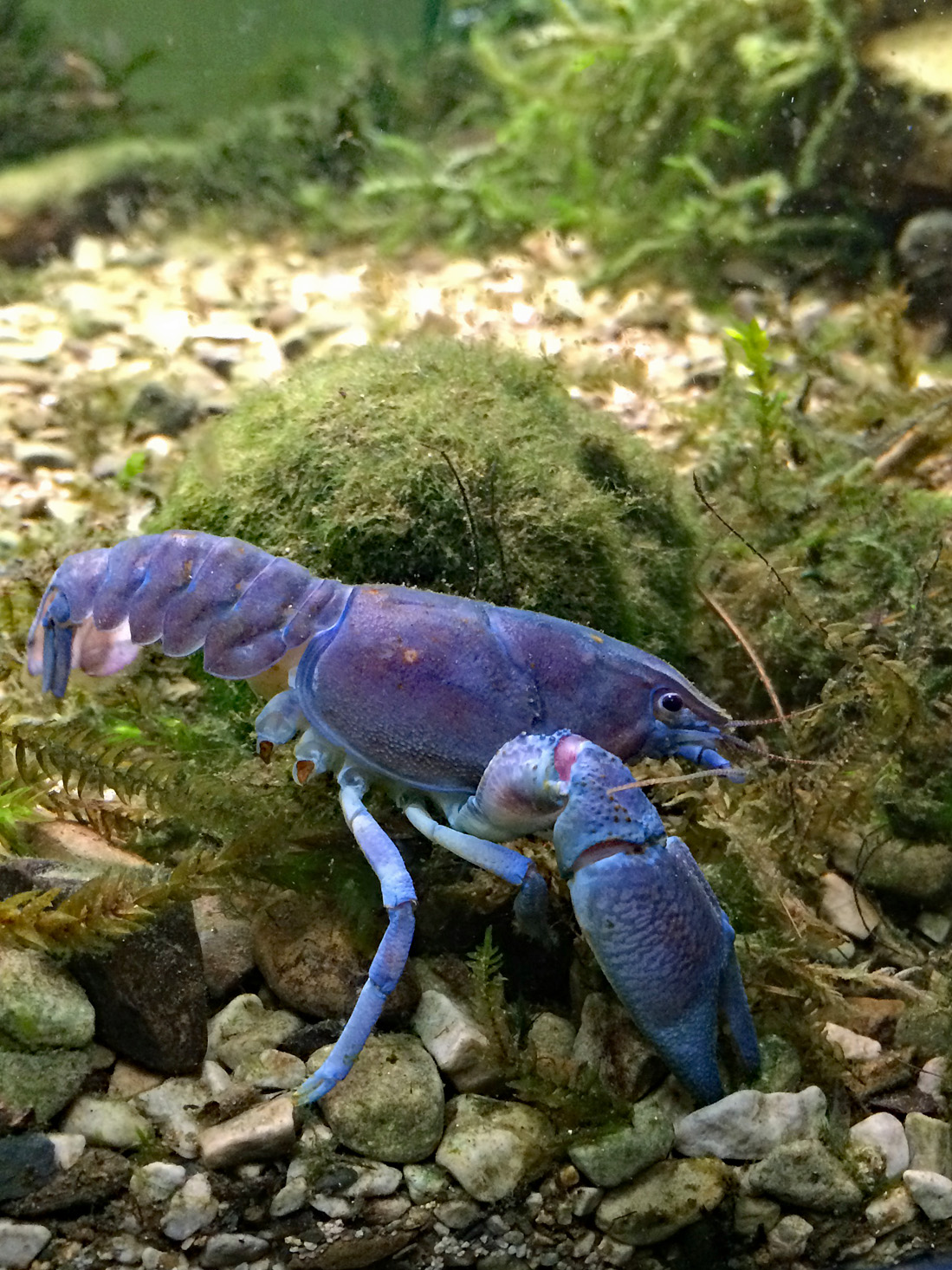
River rescue. England's endangered white-clawed crayfish (Austropotamobius pallipes) is the focus of a new national recovery programme led by The Wildlife Trusts and involving around 40 partner organisations. Backed by a £1.5 million grant from Natural England's Species Recovery Programme, the three-year initiative runs until March 2029 and is the largest coordinated conservation effort ever undertaken for the species. It will monitor surviving populations, address habitat loss, pollution, invasive crayfish and disease, expand breeding and reintroduction work, and use new mapping technology to identify safe habitats. Research into genetics, disease resistance, and cryogenic biobanking will also aim to strengthen the species' long-term resilience while supporting healthier river ecosystems and wider national biodiversity and nature-recovery goals.
Wildfire. Europe is currently experiencing an unprecedentedly severe wildfire season, driven by a record-breaking June heatwave and intense drought. Some 435,000 hectares have burned since the start of the year, compared with 347,000 hectares over the same period last year -- previously the worst year on record -- and a long-term annual average of 172,000 hectares. Against this backdrop of rising global wildfire risk, an Italian research team used structural equation modelling (SEM) to examine how fires affected small-mammal species richness and prey diversity in two urban parks in Rome. The study found that recent wildfires halved overall small-mammal diversity in burnt plots compared with unburnt controls. Insectivorous animals (shrews, hedgehogs and moles) showed the sharpest declines because they are especially sensitive to simplified habitats and have limited mobility. Although fire reduced overall insect diversity, grasshopper numbers increased, temporarily providing more food for insect-eaters; however, this did not compensate for the loss of habitat. The findings identify the loss of cover and habitat structure as the main driver of small mammal declines in urban parks, suggesting that managers should prioritise protecting these features as city fires become more common.
Hedgehog hazard. Road traffic accounts for nearly 40% of recorded hedgehog deaths in some British populations, according to a new study led by Nottingham Trent University. By surveying four populations and carrying out extensive roadkill monitoring in Nottinghamshire, researchers estimated that traffic kills between 13% and 29% of local hedgehogs each year. Larger populations may offset these losses through stronger reproductive rates and adult survival, but groups of fewer than 15 animals can decline rapidly and face local extinction within two decades, even when annual traffic losses are small. Preventing roadkill across extensive road networks is difficult, so conservationists emphasise strengthening populations by creating larger areas of high-quality habitat and improving connectivity through accommodations such as Hedgehog Highways. These measures can help populations expand and move more safely without crossing roads.
Water worries. Prolonged heatwaves and intense drought across England and Wales have brought an unprecedented influx of dehydrated and heat-exhausted animals to wildlife rescue centres, particularly hedgehogs, owls and herring gull chicks. Hardened ground, dried-up water sources and fire-related habitat loss have sharply reduced food, water and shelter, prompting sanctuaries such as the Nuneaton and Warwickshire Wildlife Sanctuary and the RSPCA to provide fluids, shade and paddling pools. Wildlife experts warn that the ecological effects will persist even if rain arrives. In the meantime, the public can help by providing shaded garden areas, keeping bird baths topped up and leaving out shallow bowls of water.
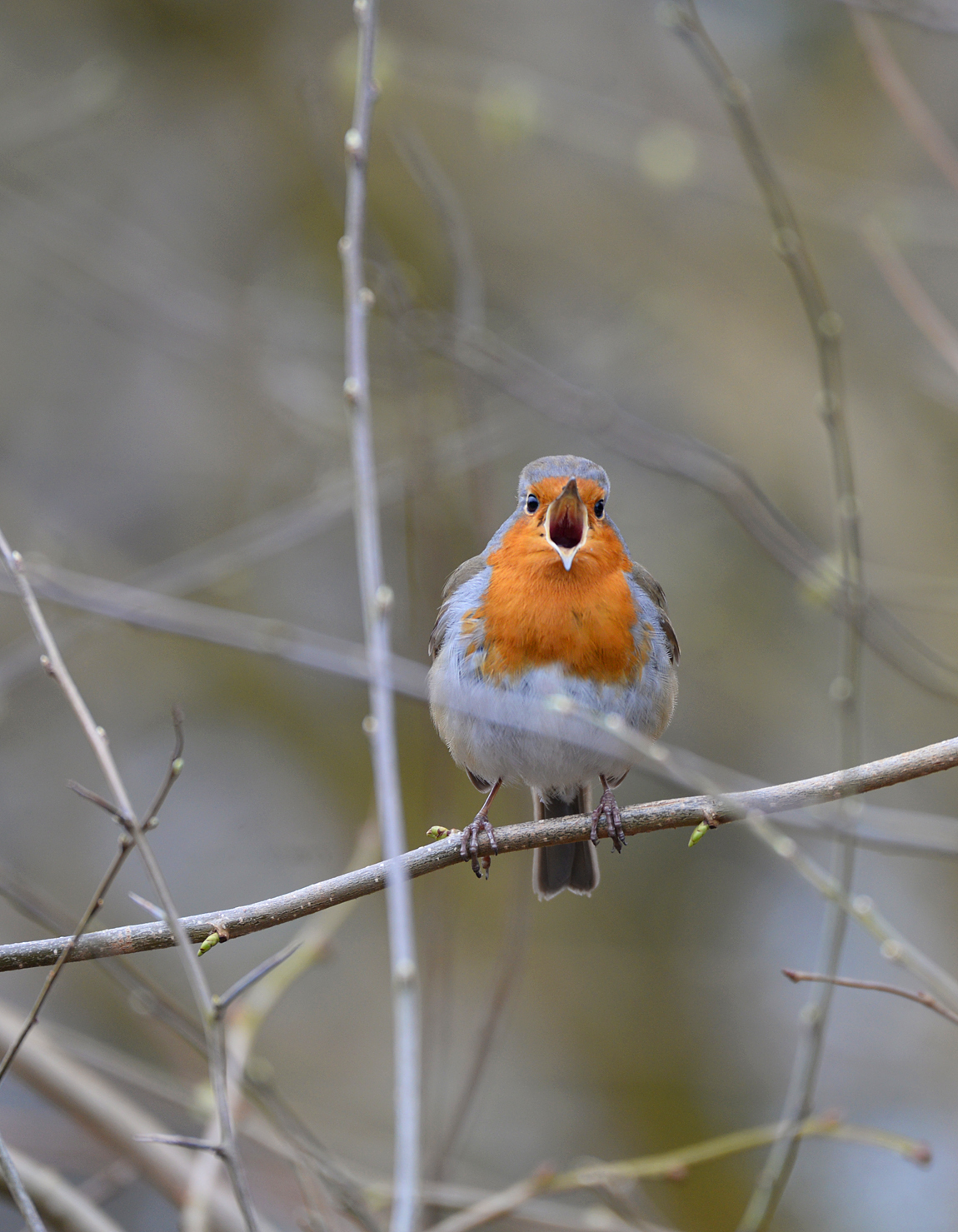
Boggling birdsong. Listening to birdsong is known to reduce stress and anxiety by lowering cortisol levels, restoring mental focus and improving mood. One explanation is that birdsong provides an evolutionary cue of safety, activating the body's calming nervous system. Scientists in France have now used AI to analyse more than 116,000 recordings of 3,000 species from a global database, and found that the immense diversity of birdsong is built from just eight fundamental acoustic motifs: three types of trill, three types of whistle, chaotic notes and harmonies. The study also reveals an evolutionary trade-off shaped by habitat. Birds in dense, noisy tropical forests favour simple motifs, such as flat whistles that carry over long distances, whereas temperate species use faster, more complex combinations to convey rich information at closer range. By linking these acoustic building blocks to the natural soundscape, the findings suggest that the motifs could help researchers monitor how birds adapt to human-driven environmental change and noise pollution.
As September begins, my Wildlife Watching – September blog rounds up Britain's early-autumn highlights, from the start of the deer rut and the arrival of hedgehog autumn orphans to garden birds moulting and spiders crossing living-room carpets.