
A bit of an unsettled start to April, with storm "Dave" passing through over the Easter Bank Holiday weekend, bringing rain, snow, and strong winds -- quite widely 70-80 mph, and up to 93mph (150 km/h) in Capel Curig, north Wales -- to much of the northern and western UK. The storm caused damage to property and vehicles as well as widespread travel disruption and power cuts. Despite this storm, and a smaller area of low pressure moving across us during the first week of last month, temperatures were broadly around or above average – 10C (18F) above average in the first couple of days after the Easter Bank Holiday weekend. The second half of April can be summed up as "average unsettled", with some sunshine, but also wet and very windy conditions. April ended on a sunny, dry, and unseasonably warm note for most, with temperatures around 20C (68F).
Website news
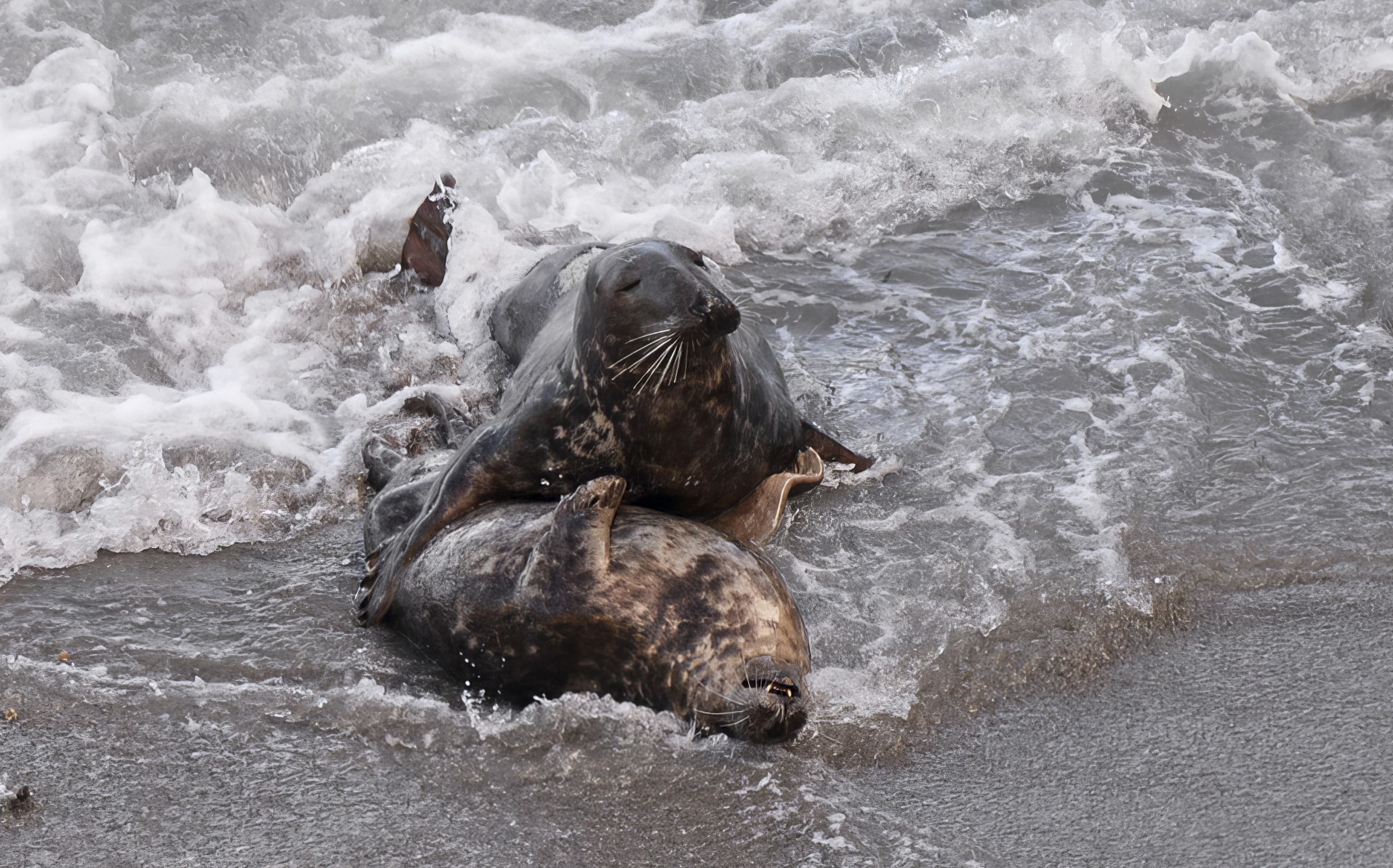
Over the past month there's been a lot of tweaking to the Chinese water deer article, particularly the sections on agricultural and conservation impacts, and distribution. The section on stone caching in squirrels has also been revised and updated. The Speed Read for the red fox has been revised and updated, with a section added for habitat, and a new Speed Read covering the grey seal has gone live. Additionally, there have been two minor changes in appearance. A date now appears at the top of each article to show when it was last updated. You'll also start seeing the gradual inclusion of scientific references at the bottom of the species sections, providing the citations for the main papers talked about in the piece – I hope this will make life a bit easier for students using my site in their projects. This is, however, a slow process, as I must add each reference individually and associate it manually with the pages it covers, so please bear with me.
News and discoveries
Un-bee-lievable. In 2024, the world learned that bumblebee queens of the North American species Bombus impatiens could survive being submerged underwater for over a week, and now a new study has shed light on how. Research led by evolutionary physiologist Charles Darveau at the University of Ottawa found that the queens employ three strategies in combination: extracting oxygen directly from the water (likely via a thin trapped-air layer acting as a physical gill), switching to anaerobic metabolism when oxygen runs low, and drastically suppressing their already minimal metabolic rate – dropping carbon dioxide output to roughly one-sixth of its already-reduced diapause level. This resilience is thought to be an adaptation to the risk of heavy rain, snowmelt, or rising water tables flooding their burrows during winter hibernation. While the exact mechanism of underwater oxygen extraction is yet to be confirmed, the findings raise broader questions about hidden environmental resilience in other terrestrial insect species.
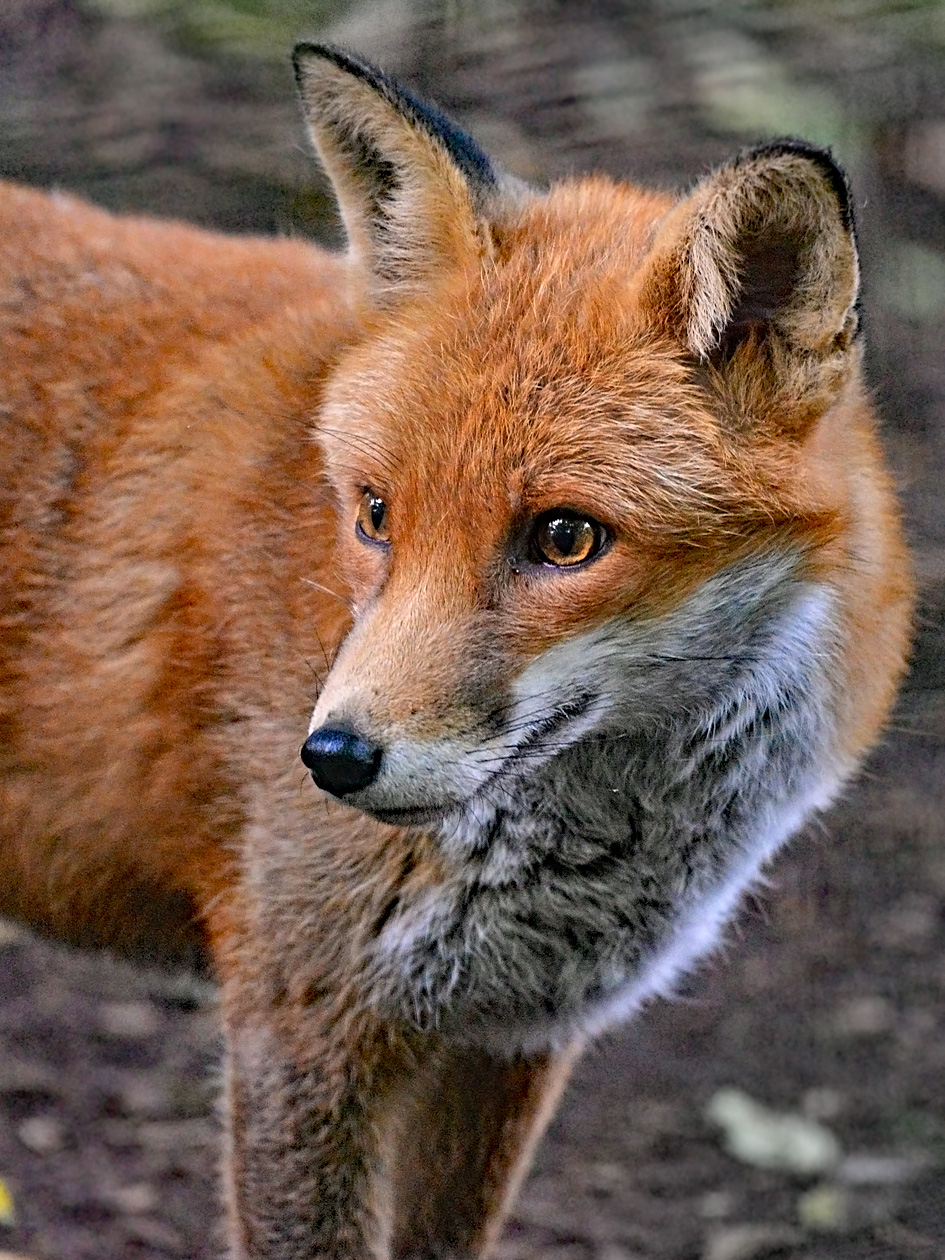
Outfoxed. While wolves are typically the apex predators, a rare reversal was recently documented at Italy's Castelporziano Presidential Estate. In the first recorded video of its kind, a red fox was filmed raiding a wolf den while the adults were away hunting. The fox successfully snatched a one-month-old wolf pup and dragged it from the den, eventually leading researchers to conclude the pup was killed and eaten. This discovery is significant because it highlights a complex "mesopredator" dynamic. While wolves have been known to kill foxes -- presumably to eliminate competition, as carcasses don't appear to be eaten -- this event proves that smaller predators can be opportunistic and directly impact the survival of larger species. In their paper to Current Zoology, the researchers suggest this behaviour is either driven by extreme competition for food or is simply a high-risk gamble by the fox to secure a meal. Following the attack, the surviving pup was recorded making distress calls, and the adult wolves eventually responded by permanently abandoning the compromised site to relocate their remaining young to a safer area.
Turning the tide. The recently published 2026 State of the Thames Report highlights the remarkable recovery of the tidal River Thames since it was declared "biologically dead" in 1957, showing significant improvements in water quality, biodiversity, and habitat restoration thanks to decades of conservation efforts and major infrastructure investments. Wildlife has rebounded, with increases in wading birds, seals, seahorses, and sharks, while restored habitats like saltmarshes support ecosystem health. Challenges remain, however: the diversity of fish species has declined, nitrate pollution persists, and climate change is driving rising water temperatures and sea levels, threatening long-term ecological stability. Although sewage upgrades and large-scale projects like the Thames Tideway Tunnel -- London's 'super sewer' -- are improving conditions, emerging pollutants and environmental pressures require continued monitoring and action. The report emphasizes the importance of nature-based solutions, collaborative management, and sustained investment to protect the Thames as a vital ecological, economic, and social resource for millions of people.
Dog days. The discovery of a 15,000-year-old dog jawbone in Gough's Cave in Somerset's Cheddar Gorge has significantly rewritten our understanding of dog domestication. Found during a PhD project by William Marsh of the Natural History Museum, the fragment had been sitting in a museum drawer since excavations in the 1920s. DNA analysis confirmed it as one of the earliest known domesticated dogs, pushing back the timeline of wolf-to-dog evolution by around 5,000 years. Further genetic testing of similarly aged specimens across western Europe and Türkiye revealed they were all dogs too, suggesting an early dog population had already spread widely across the northern world by the end of the Ice Age. Chemical analysis also showed these dogs shared the same diet as their human companions -- fish in Türkiye, meat and plants in Britain -- pointing to a remarkably close bond between humans and dogs that, it turns out, stretches back far longer than previously known. A separate study published alongside this research in the journal Nature confirms that all domestic dogs today descend from a single ancient population, with scientists continuing to search for the precise geographic origin of that first domestication event.
For a round-up of Britain's seasonal wildlife highlights for late spring, including deer fawns, rabbit behaviour, and the gigantic basking shark, check out my Wildlife Watching - May blog.