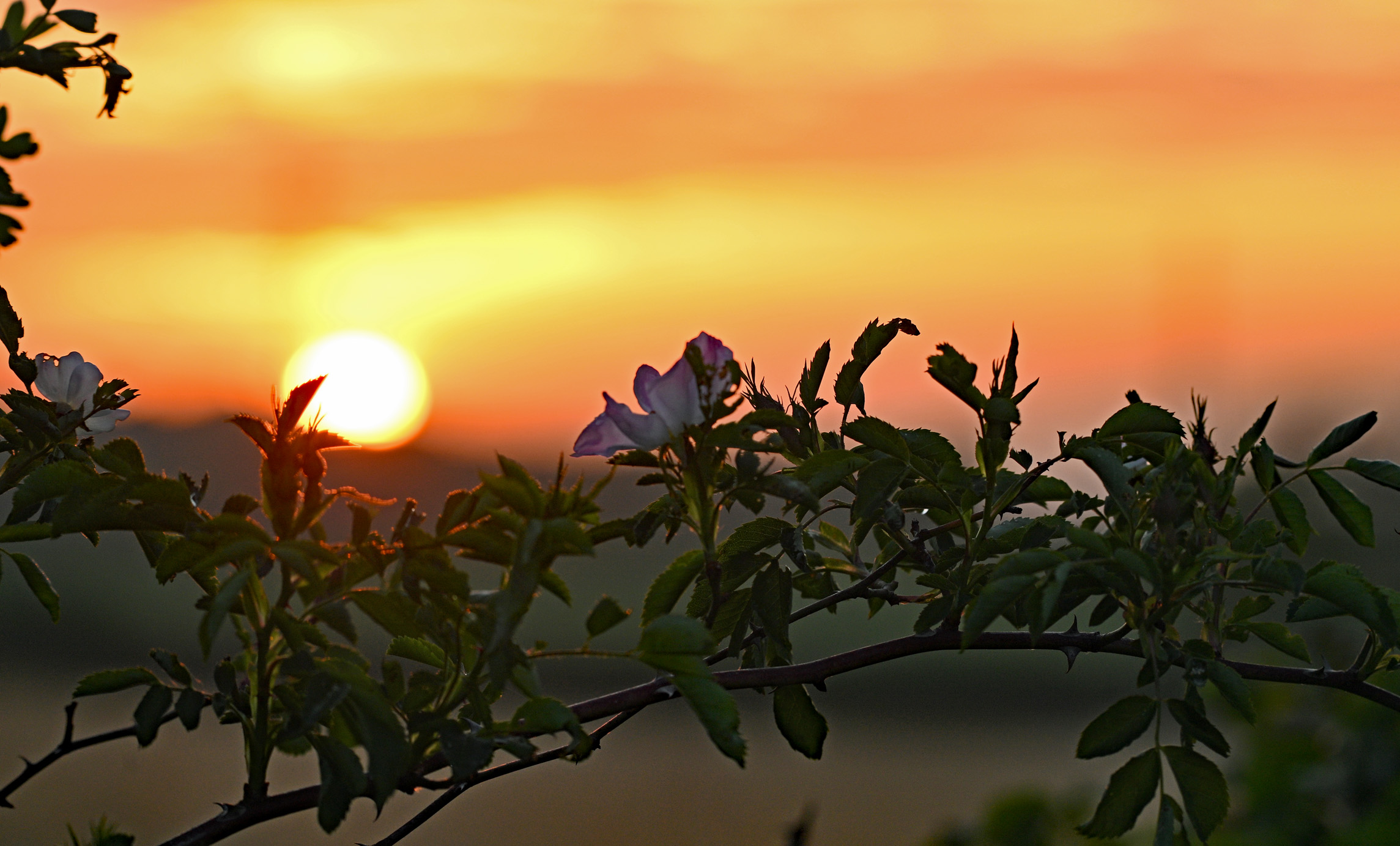
What a month that was! After a heatwave to end spring, June -- and meteorological summer -- got off to an unsettled start, the Atlantic dominating for much of the first half. Most of the UK experienced repeated low-pressure systems crossing from the west, bringing wet and windy conditions. Granted, the rain was much-needed, particularly in the south and east, where spring had been excessively dry, but it felt more like autumn than summer. That all changed for most of the UK in the second half of the month, during which a synoptic pattern of omega-blocking saw many new June temperature records set, toppling those of the oft-cited long, hot summer of 1976. Wales and England both set new monthly record temperatures, with 35.9C in Cardiff and 37.3C in Santon Downham in East Anglia. Two heatwaves in two consecutive months, each leading to that month's temperature record falling, hasn't happened since 1911. And it looks like there is more to come in the second half of this month and again in August.
Website news
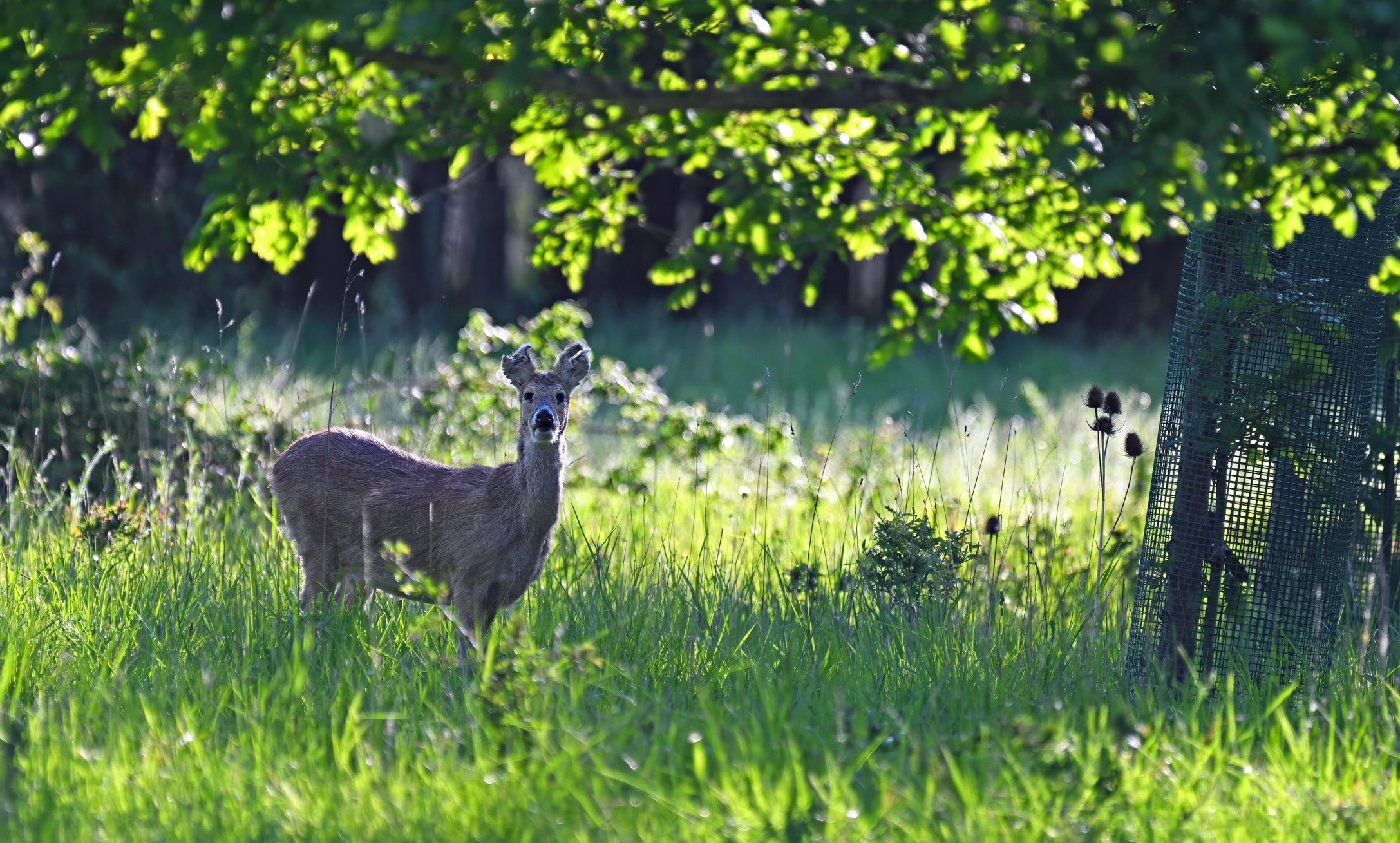
As I've been away on holiday and working on an article for the British Wildlife journal, the website has taken a bit of a back seat. Some minor updates have been made to the red fox, squirrels, and Chinese water deer profiles over the past month, along with a revision of the Q&A looking at the significance of foxes and badgers as hedgehog predators, which now also includes references.
News and discoveries
Singing success. Nightingale numbers on RSPB nature reserves in England reached their second-highest level in over a decade in 2025, with 176 singing males recorded, a 7% increase from the previous year. This local growth, led by sites like Northward Hill (47 males) and Minsmere (22), is largely down to intensive scrub management that provides vital nesting thickets. These gains occur against a sobering national backdrop, however: the species remains on the UK Red List following a 34% decline between 1995 and 2024, and a staggering 90% drop since the 1970s. While the global population seems stable, the species considered Least Concern by the IUCN, recent BTO research has found that UK nightingales migrate to a very specific, small area in West Africa (The Gambia and Senegal). Other European populations spread out across wider areas of Africa, making the UK birds uniquely vulnerable to habitat loss or drought in that specific wintering region.
Boiling birds. A 60-year study by the University of Oxford of more than 80,000 great tits in Wytham Woods found that extreme weather can significantly affect the growth and survival prospects of young birds. Researchers discovered that cold spells during the first week after hatching and heavy rainfall later in development reduce fledging body mass -- an important predictor of survival -- by up to 3%, while the combination of intense heat and heavy rain can reduce it by as much as 27%, especially in later-season broods. Although breeding earlier in spring helps great tits avoid many harmful weather extremes by matching peak caterpillar availability, it can also expose chicks to damaging cold snaps. Cold and wet conditions hinder chick growth because young nestlings cannot regulate their body temperature well and because bad weather reduces both parental foraging opportunities and caterpillar abundance. Surprisingly, moderately warm weather in Oxfordshire was associated with heavier fledglings, likely because it boosts insect activity, improves feeding opportunities, and lowers chicks' energy costs, though researchers note that hotter temperatures in other regions can have the opposite effect. The study highlights the complex ways climate change and increasingly frequent extreme weather influence wildlife, and suggests that understanding local environmental conditions could help guide conservation efforts to protect vulnerable bird populations in the future.
Giant journey. A new study has documented the first confirmed cases of humpback whales traveling between the breeding populations of eastern Australia and Brazil, revealing the longest known movements ever recorded for individual humpback whales. By comparing nearly 20,000 whale tail photographs collected between 1984 and 2025 through long-term research programs and the citizen-science platform Happywhale, scientists identified two whales that crossed more than 14,000 kilometres of open ocean between the two regions. One whale travelled at least 14,200 kilometres between Queensland and Brazil, while another set a record with a documented movement of 15,100 kilometres from Brazil's Abrolhos Bank to Australia's Hervey Bay over a span of 22 years. Although such exchanges appear extremely rare -- only two examples were found among nearly 20,000 identified whales -- researchers say they may play an important role in maintaining genetic diversity and spreading cultural behaviours such as whale songs between populations. The findings support the idea that whales from different breeding grounds occasionally mix in shared Antarctic feeding areas before adopting new migration routes, and scientists suggest that climate-driven changes to sea ice and food availability could make these long-distance movements more common in the future.
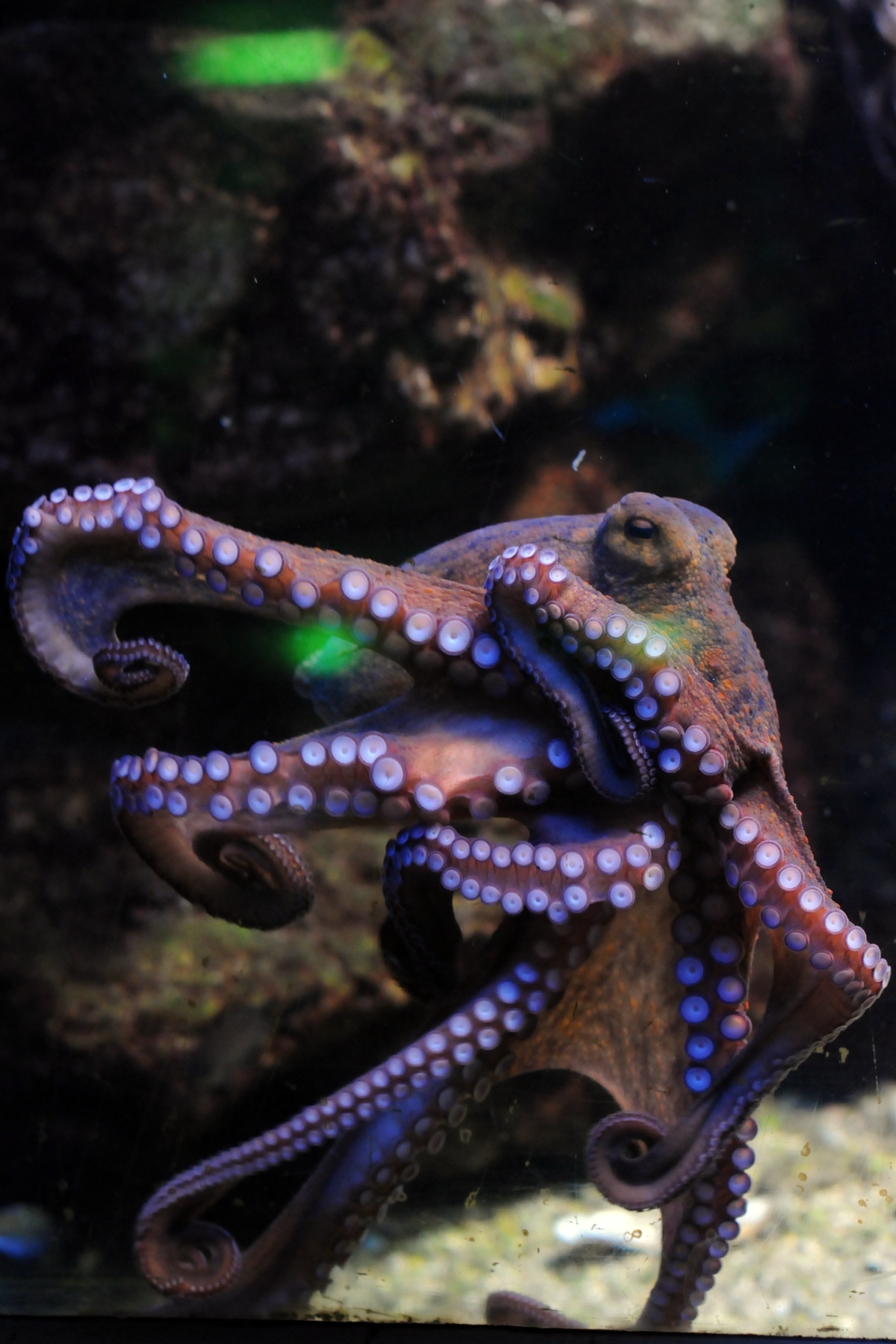
Of mirrors and molluscs. A study published in Current Biology has shown that octopuses can learn to use mirrors to locate food hidden from direct view, making them the first invertebrates known to demonstrate this advanced spatial reasoning ability. Researchers at Dartmouth trained three California two-spot octopuses to interpret mirror reflections and use them to determine the real location of a food source, rather than reacting to the reflection itself. In tests using a virtual crab image visible only through a mirror, the octopuses correctly identified the hidden location about 73% of the time and became faster with practice, suggesting they had learned to translate reflected information into real-world spatial decisions. The findings indicate that octopuses possess more sophisticated cognitive abilities than previously recognized and may even maintain internal representations of their surroundings, like mental maps used by many vertebrate predators. Because octopuses are evolutionarily distant from humans and other animals known to use mirrors, the study also provides evidence that complex spatial intelligence may have evolved independently in different branches of the animal kingdom, offering new insights into the evolution of cognition.
For a round-up of Britain's seasonal wildlife highlights for mid-summer, including fox family dynamics, nightjars, and stag beetles, check out my Wildlife Watching - July blog.