January started on a very cold note, but, despite various models predicting a "big freeze", the cold didn't last. Milder air pushed in during the second week when a deep low-pressure system, Storm Goretti, passed over the south coast of the UK, bringing widespread snow and strong winds. Lake Vrynwy in Powys recorded 16 cm (6 in.) of snow overnight, while Scilly's St Mary's Airport recorded wind gusts of 99 mph (159 km/h). The National Coastwatch Institution recorded 198 km/h (123 mph) at Stepper Point, Padstow. An emergency alert was sent to hundreds of thousands across the South West ahead of nearly 60,000 properties losing power, some of which took more than a week to reconnect. Several hundred trees were felled across the Channel Islands, Cornwall, and Devon. Following the storm, we saw a return to a mild Atlantic influence for the rest of the month, although with persistent cloud, rain, and wind, it didn't feel mild. The month ended with Storm Chandra, another large area of low pressure, which brought yet more rain and resulted in widespread flooding across Devon and Cornwall.
Website news
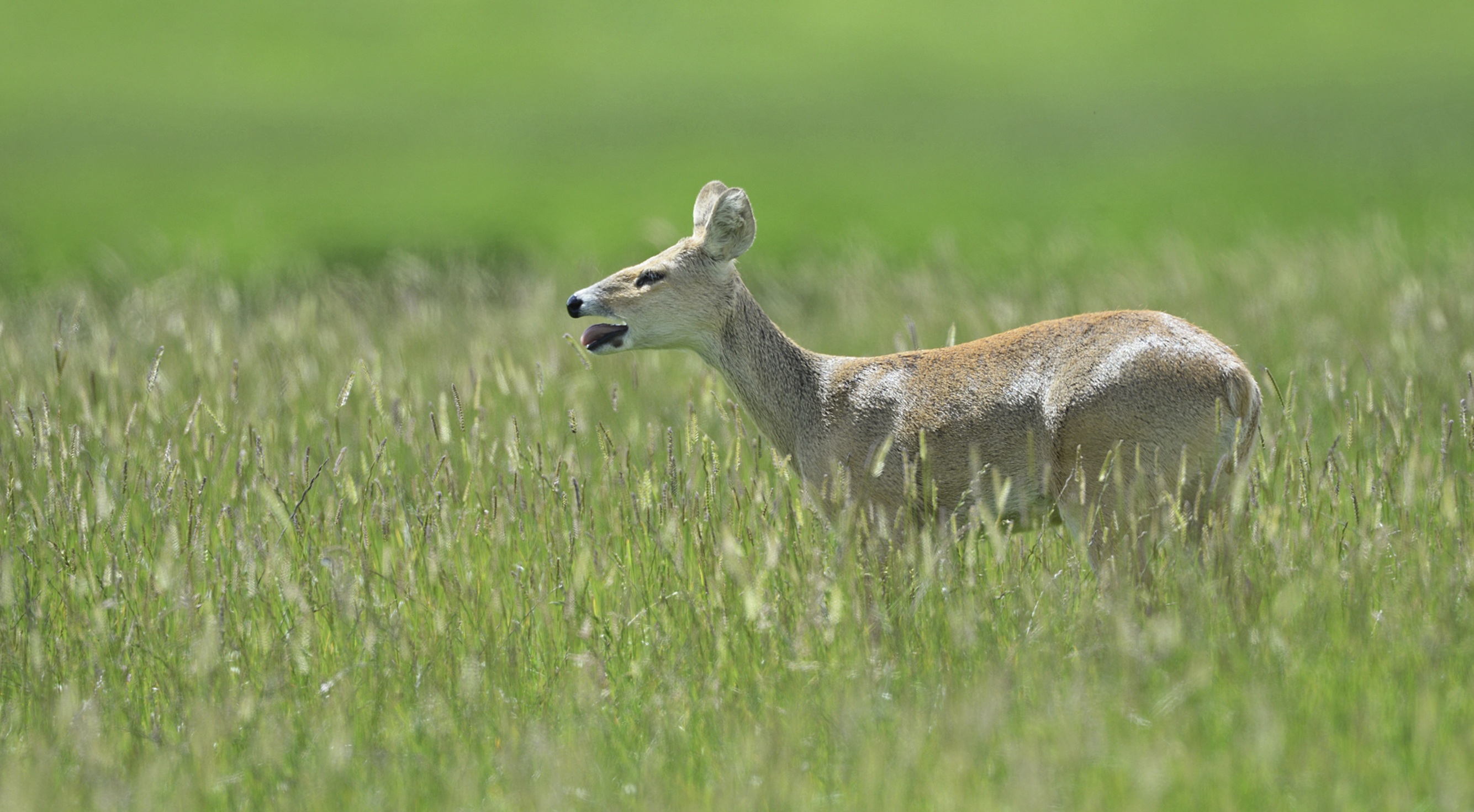
Various minor updates have been made to the site, including a reworking of the Vocalisation and Courtship sections of the Chinese water deer profile.
News and discoveries
Chondrichthyan conservation. The Western Indian Ocean (WIO) hosts a high diversity of sharks and rays, but intense fishing has caused major population declines in recent decades. Using the Important Shark and Ray Area (ISRA) framework, a global team of conservationists identified 125 critical habitats across the region, covering about 2.8 million sq-km (roughly 10% of the WIO) and encompassing 39% of regional chondrichthyan species, most of which are threatened. The ISRA identification relied largely on low-cost methods such as visual surveys, fish market data, and citizen science, with unpublished data significantly expanding coverage. Despite this, data biases were found to favour large, shallow, wide-ranging species. Furthermore, protection was found to be extremely limited: only 7.1% of ISRAs overlap with marine protected areas (MPAs) and just 1.2% with fully protected no-take zones, mainly in the Seychelles and Chagos Archipelago. Overall, the study reveals major gaps in protection but highlights opportunities to strengthen MPAs and meet global biodiversity targets.
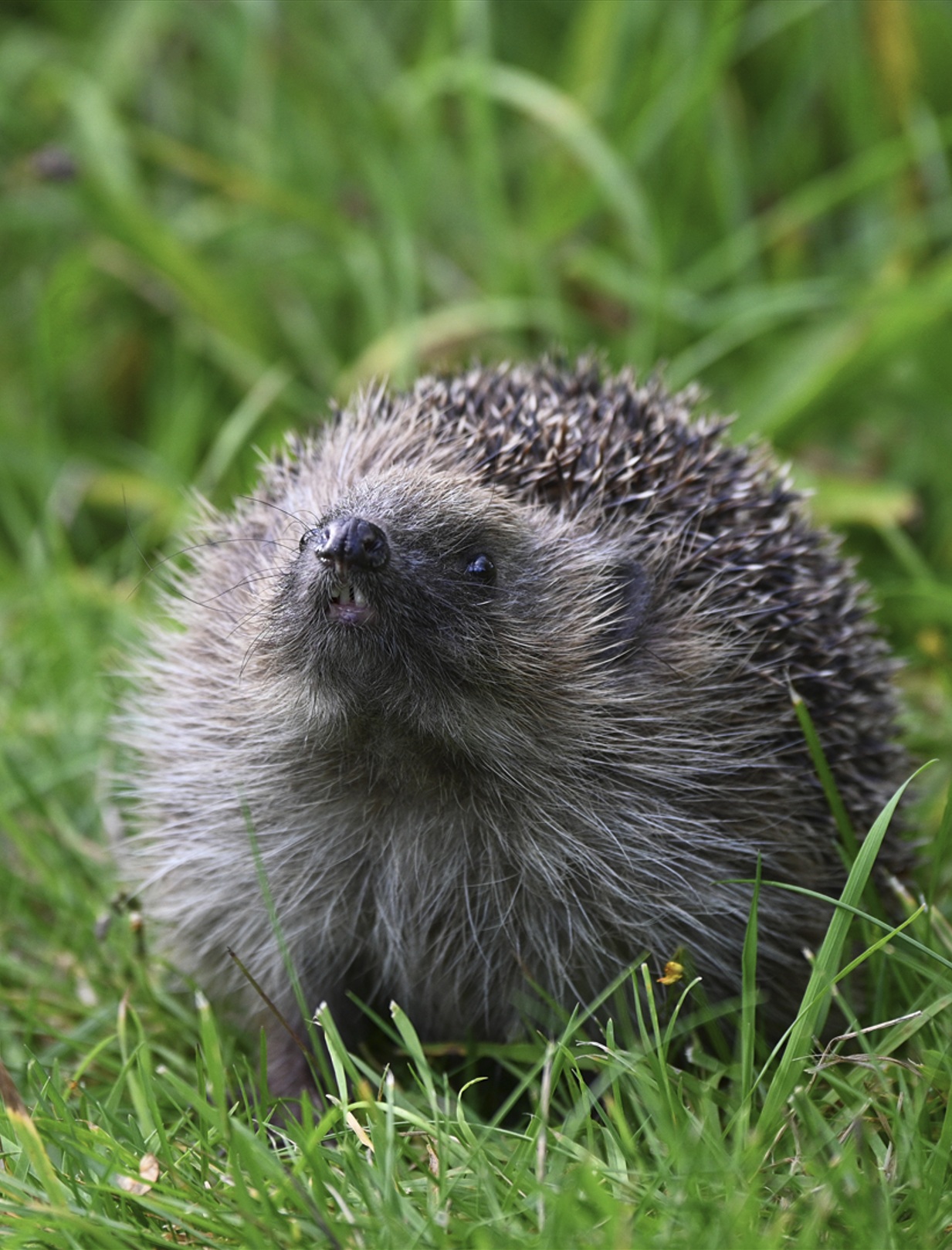
Regent's Park plight. Hedgehog populations have declined sharply across Britain and Europe, with central London's remaining population now restricted to Regent's Park. Between 2014 and 2023, volunteers monitored hedgehogs through biannual night surveys, tagging and assessing individuals. The population averaged about 28 hedgehogs during the first six years but declined rapidly after 2020, falling to just six in spring 2023 before a slight recovery to 10 by autumn. Breeding success and survival were found to be low, threatening long-term viability. Predation -- mainly by dogs or foxes -- was the leading cause of death, accounting for 59% of recorded fatalities and nearly all juvenile deaths. Over time, hedgehogs disappeared from much of the park and became confined to its northeast area. After ten years of monitoring, the isolated population is now critically small and at high risk of extinction without urgent conservation measures.
Woodland wonder. Woodland creation is widely promoted for carbon sequestration and ecosystem benefits, but its large-scale impacts on wildlife are poorly understood. A new study has modelled how current and proposed woodland creation targets in England, Scotland and Wales could affect British mammal populations over the next quarter of a century. By simulating woodland expansion using recent planting patterns and species-specific range and density data, the authors assessed changes in habitat availability and population size for 27 non-bat mammal species. If national targets are met, median mammal population change across the UK is predicted to be just over a 7% increase, although responses vary widely among species. Rodents and deer are most likely to benefit, while rabbits and hares are predicted to decline. Woodland-dependent species may gain substantial habitat even under current planting rates, but grassland-dependent mammals could lose habitat and experience increased fragmentation. Overall, woodland creation offers conservation opportunities but also risks for certain species, highlighting the need for targeted, species-specific management and further field studies.
Antler Anomaly. Reindeer are unique among deer because females also grow antlers, but their antler timing normally differs from males, being closely linked to pregnancy and birth. Typically, females keep their antlers through winter and shed them around giving birth, while nonpregnant females follow a different cue for antler casting. Although most populations show consistent antler timing, some barren females occasionally shed antlers earlier. A recent study by Newfoundland researchers reports an unusual, population-wide shift in antler phenology in female caribou on Fogo Island, Newfoundland. During the calving season, many females -- including some confirmed pregnant individuals -- were observed growing new velvety antlers earlier than expected, and none retained polished antlers from the previous autumn, contrary to past patterns. The authors link this shift to environmental changes, especially earlier spring warming and reduced snow cover. These findings suggest that climate change may alter the cues controlling antler growth in female caribou, potentially shifting them from hormonal to environmental triggers, and raising questions about the fitness consequences and resilience of antler phenology under changing climates.
For a round-up of Britain's seasonal wildlife highlights for late winter, including badger births, courting great crested grebes, and wood ants rebuilding their winter-ravaged nests, check out my Wildlife Watching - February blog.