
After a stormy end to October, the final throes of meteorological autumn began on a bright-but-showery note. The remains of extratropical cyclone "Melissa", which caused such devastation to the Greater Antilles and parts of the Bahamas towards the end of last month, brought some wind and rain along our western flanks, but nothing as significant as the 295 km/h (185 mph) sustained winds recorded shortly before making landfall in Jamaica. November started on a wet and mild note, courtesy of a south-westerly airflow bringing warmth up from the Azores. Temperatures held around average for much of the month, with a few swings in both directions, some negative values overnight resulting in frosts for all of us and parts of northern England and Scotland seeing their first snow of the season.
As is traditional for my final update of the year, I'd like to take a moment to extend my sincere thanks to you for taking an interest in this site over the past 12 months; particularly to all those who took the time to message me about the content. I hope 2026 will see an increase in the amount of content available on the site, but for now I wish you and your loved ones a very Merry Christmas and all the very best for the coming year.
Website news
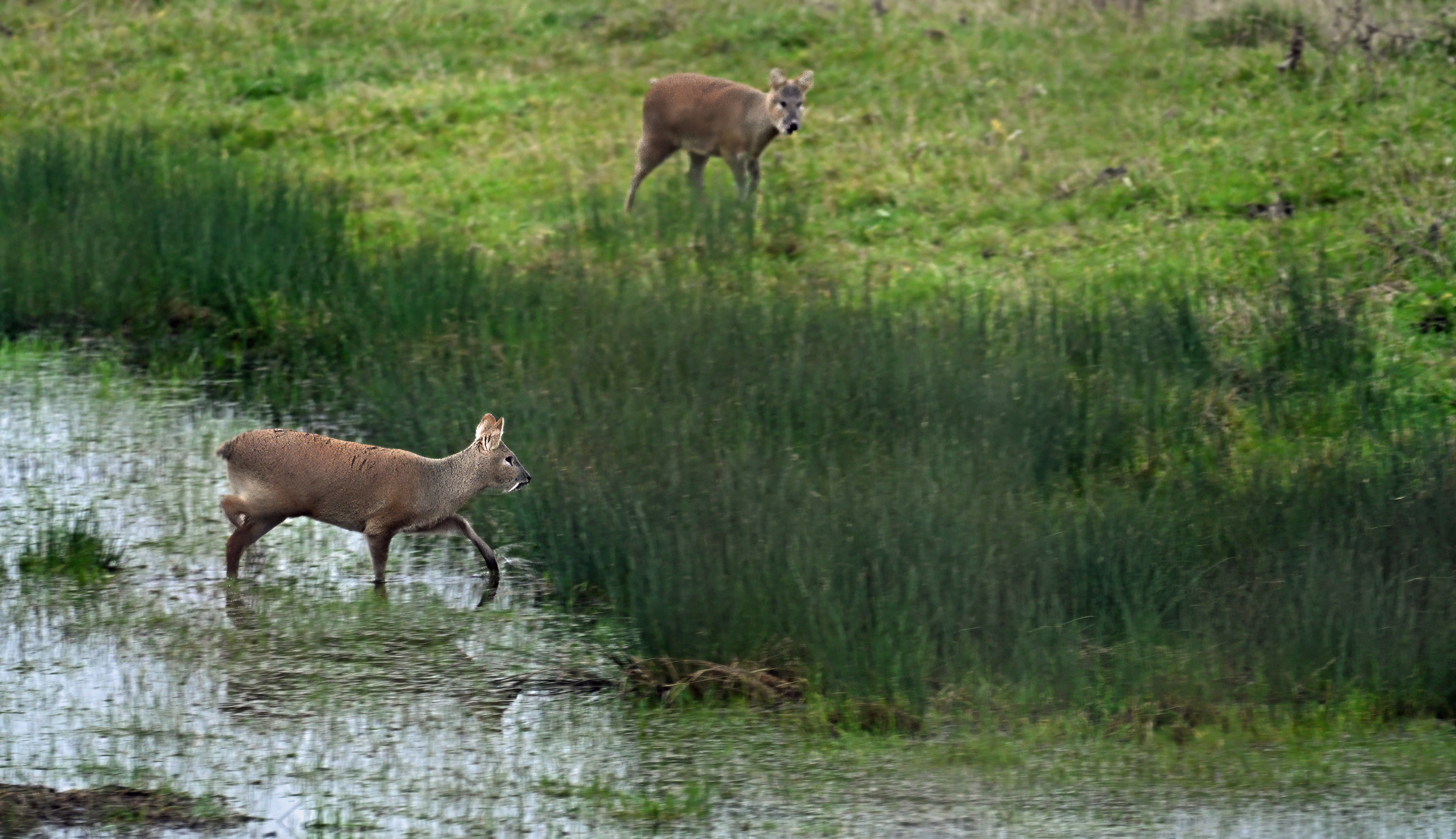
It feels like an extraordinarily long time in the making given that I started writing it in May 2021, but the last section of the water deer article has gone online, this one looking at how these small deer interact with other species. This means that the full article, all 160 pages and 150,000 words, is now available for anyone with an interest in this under-studied cervid. In addition, the Speed Read on the Bank vole has been revised and updated ahead of a season when people are more likely to see them out and about.
News and discoveries
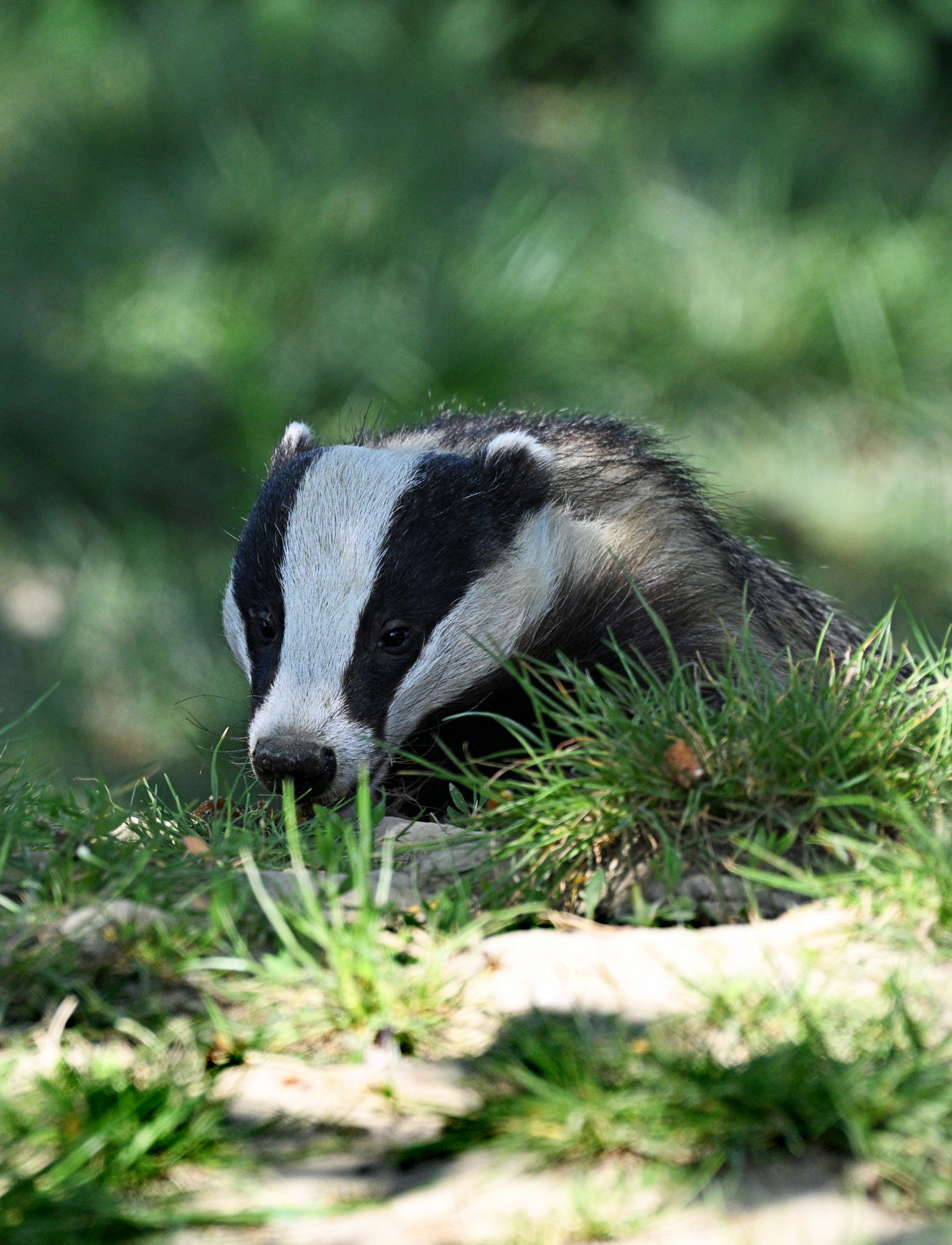
Bovine-Badger blunder? A new statistical re-analysis of the data generated by the Randomised Badger Culling Trial has suggested the long-held belief that badgers are a major cause of bovine tuberculosis (bTB) in cattle is incorrect. Indeed, the report implies that the scientific basis for England's badger culling policy was critically flawed. Despite more than 250,000 mostly healthy badgers being culled since 2013, this review indicates that a hidden, poorly detected reservoir of infection within cattle themselves has driven decades of policy failure. A 2025 government review highlights serious shortcomings in cattle testing, tracing, and vaccination readiness, suggesting that bTB is far more widespread -- possibly affecting nearly 40% of dairy herds -- than official systems can detect. As a result, eradication targets are unlikely to be met, and both culling and badger vaccination are deemed distracting and ineffective. The recommendation is that continuing the current strategy will only worsen the situation, and that policymakers must shift to new, cattle-focused approaches if bTB is to be brought under control in Britain.
Regent removal. Researchers have found that honeybee colonies often replace their queens -- a process called supersedure -- when viral infections cause her ovaries to shrink and reduce her egg laying potential. It transpires that ovary reduction also triggers a decline in production of the pheromone methyl oleate, a key signal of her health. When this pheromone drops, workers begin raising a new queen, a natural response that can disrupt managed hives by reducing colony strength, pollination, and honey output. Bees pollinate about one-third of global crops, which means declining queen health threatens food security, and recent surveys show increasing queen failure tied to viral infections spread largely by varroa mites. This study suggests that supplementing colonies with synthetic methyl oleate can help stabilize hives by delaying or preventing premature supersedure, offering beekeepers a potential tool for maintaining productivity while emphasising the importance of controlling varroa mites to protect queen health.
Wolf within. New research shows that most modern dogs retain small but significant amounts of ancient wolf DNA. These remnants of rare post-domestication hybridization events continue to influence their size, scent abilities, behaviour, and ability to adapt to diverse human environments. By analysing more than 2,700 dog and wolf genomes, scientists found detectable wolf ancestry across nearly all village dogs and about two-thirds of breed dogs, with levels varying widely among breeds and sometimes appearing in unexpected places, such as the chihuahua. Breeds with higher wolf ancestry often show traits described as more independent or territorial, while those with low levels are more often labelled friendly or eager to please, though the link between wolf genes and personality remains ambiguous. These data also highlight specific wolf-derived adaptations, including enhanced olfactory genes in village dogs and high-altitude tolerance in Tibetan mastiffs, suggesting that wolf DNA has long served as a genetic toolkit helping dogs thrive alongside humans.
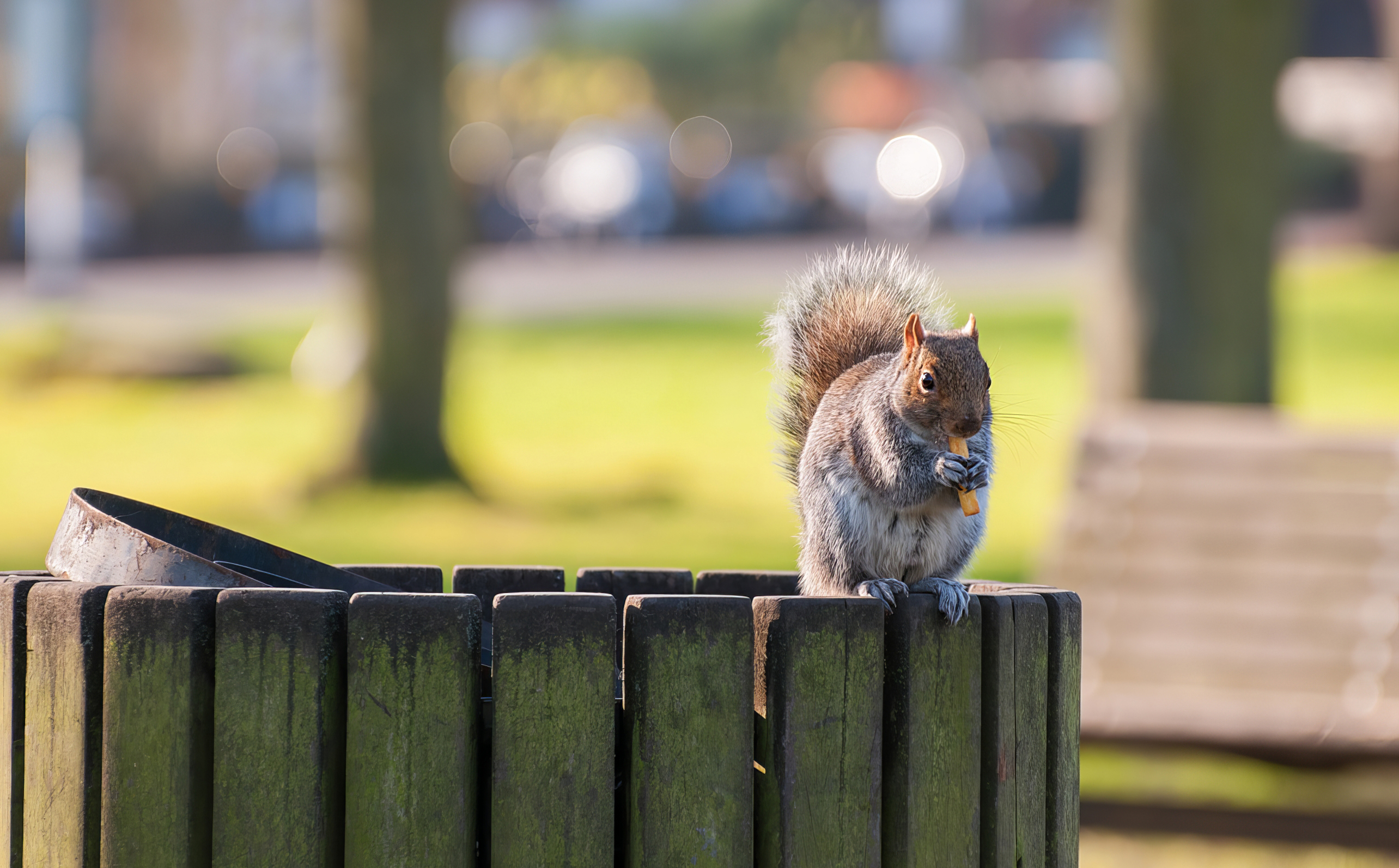
Superior squirrels. While the rapid urbanisation of Earth is unquestionably bad news for global biodiversity, there is a growing pool of data suggesting that some species are able not just to adapt, but to thrive at city living. Squirrels are a well-studied example of this, being common residents in city parks around the world. A new comparison of the fecundity of Red squirrels (Sciurus vulgaris) living in urban and rural areas of Japan suggests city living is good for these rodents. Yu Takahata and Nobuyuki Kutsukake, writing in Mammalian Biology during October, describe how squirrels living in Obihiro City bred a month earlier and had a 24% higher pregnancy rate than those in adjacent rural areas of Hokkaido. The urban squirrels also weaned twice as many kittens on average than rural animals (3 per litter vs. 1.5), and 40% of city Reds had more than one litter per year, while none of the country-living individuals bred more than once annually.
For a round-up of Britain's seasonal wildlife highlights for early winter, including a summary of the Chinese water deer rut, check out my Wildlife Watching - December blog. As mentioned last month, the pannage season (also known as the Common of Mast), where pigs are turned out onto the New Forest to eat the acorns, has been extended into next month owing to the glut of acorns. Learn more about this ancient tradition here.