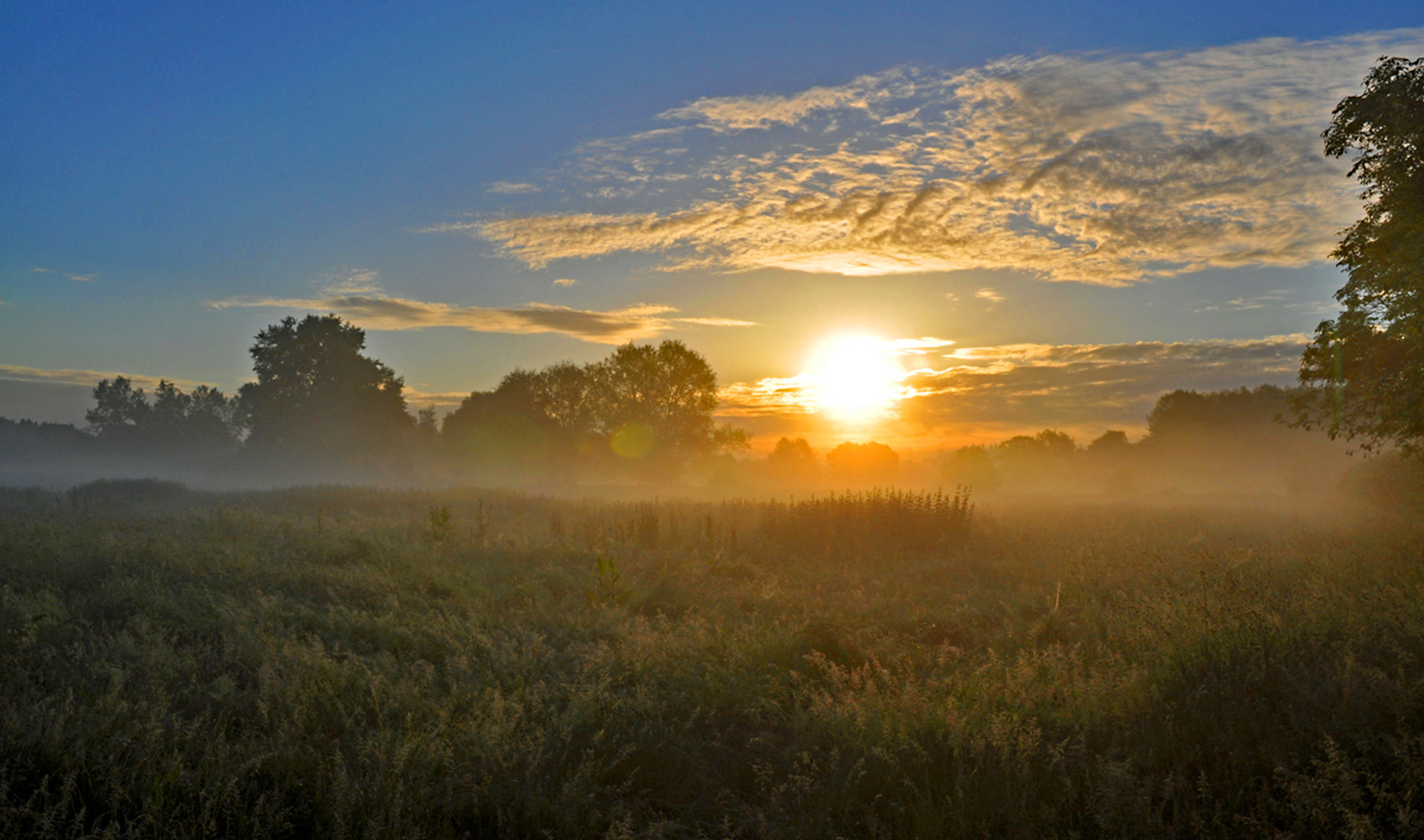
April blended imperceptibly into May, as if to highlight the months being simply a matter of human convenience rather than natural lore – warm and humid for much of the country, with temperatures peaking above the seasonal average at 21 C (70 F). The first weekend of the month nonetheless saw much-needed rain for parts of southern and central England after a warmer and drier than average April. Outside of Scotland and Ireland, however, the April showers failed to materialise, meaning that some of England went into May having seen only about one-third the expected rainfall, with a few areas receiving significantly less than that – Essex recorded only 0.6 mm of rain all month. Here in Hampshire, we've seen only 28% of the rainfall we'd expect since the start of March.
Despite some showers, May continued the dry theme, and saw some exceptionally hot weather around the late Bank Holiday weekend and through the final week of the month, during which temperatures reached 35.8 C (96.4 F) at Kew Gardens in London, breaking the previous May record. Indeed, the end of May saw five consecutive days of new temperature records being set in England. Furthermore, temperatures didn't fall below 21.3 C (70.3 F) in London, overnight on 25th/26th May, provisionally breaking the previous May record of 18.9 C (66 F) set back in 1944. Overall, a remarkably hot end to spring.
Website news
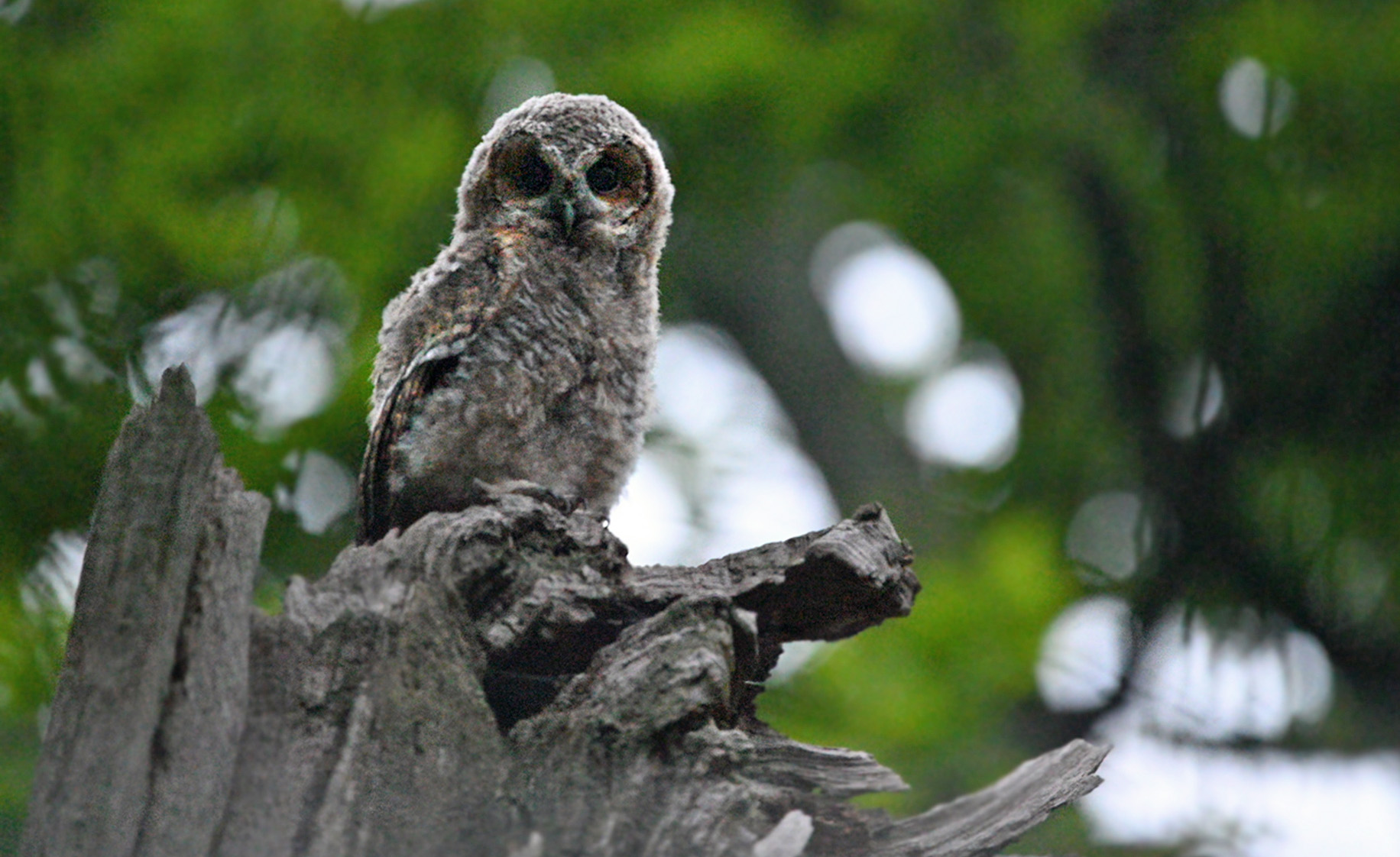
Several updates have been made to the Chinese water deer article and red fox sections. Additionally, the Speed Read for the tawny owl has been revised and updated.
News and discoveries
Birdwatch 2026. The results from the RSPB's Big Garden Birdwatch 2026 show the house sparrow remained the most frequently recorded bird, continuing its long-standing position at the top of the rankings, while species like blue tits and woodpigeons were also commonly spotted. One of the more striking regional trends was a more than 38% increase in long-tailed tit sightings on the Isle of Wight compared with 2025, suggesting a local population boost. The results also pointed to rising sightings of certain species such as jackdaws in parts of Oxfordshire, while other birds showed less consistent numbers, reflecting how populations can vary locally even when national trends appear stable. While some familiar birds remain quite commonplace, several once-familiar species appear to be in decline. Greenfinch numbers have been declining across the country for the past two decades, with the species now on the UK Red List. Similarly, starling numbers have fallen by 3% this year and an alarming 85.1% overall since 1979.
New bird-feeding advice. Feeding birds is a major national pastime in the UK, with an estimated 16 million to 17 million households – roughly half of all UK homes – regularly leaving out food. Furthermore, it's a major source of expenditure, UK households spending around £250 million per year on food and feeding equipment. The relatively recent surge in viruses, particularly trichomoniasis, which seem to spread rapidly at feeders, has prompted the RSPB to issue new advice regarding feeding garden birds. Specifically, the request is that people stop feeding seed and/or peanuts during the summer and autumn (i.e., between 1st May and 31st October) to avoid large gatherings of birds, which can spread infections. Rather than removing feeders altogether, the guidance focuses on safer practices: feeding seasonally, offering safer foods like mealworms or suet in moderation, cleaning feeders weekly, changing water daily, and avoiding flat-surfaced feeders where disease spreads more easily. The overall message is to keep feeding birds, but in a more controlled and hygienic way. The RSPB also encourage people to plant to feed wildlife, too, which helps reduce the need for supplementary feeding.
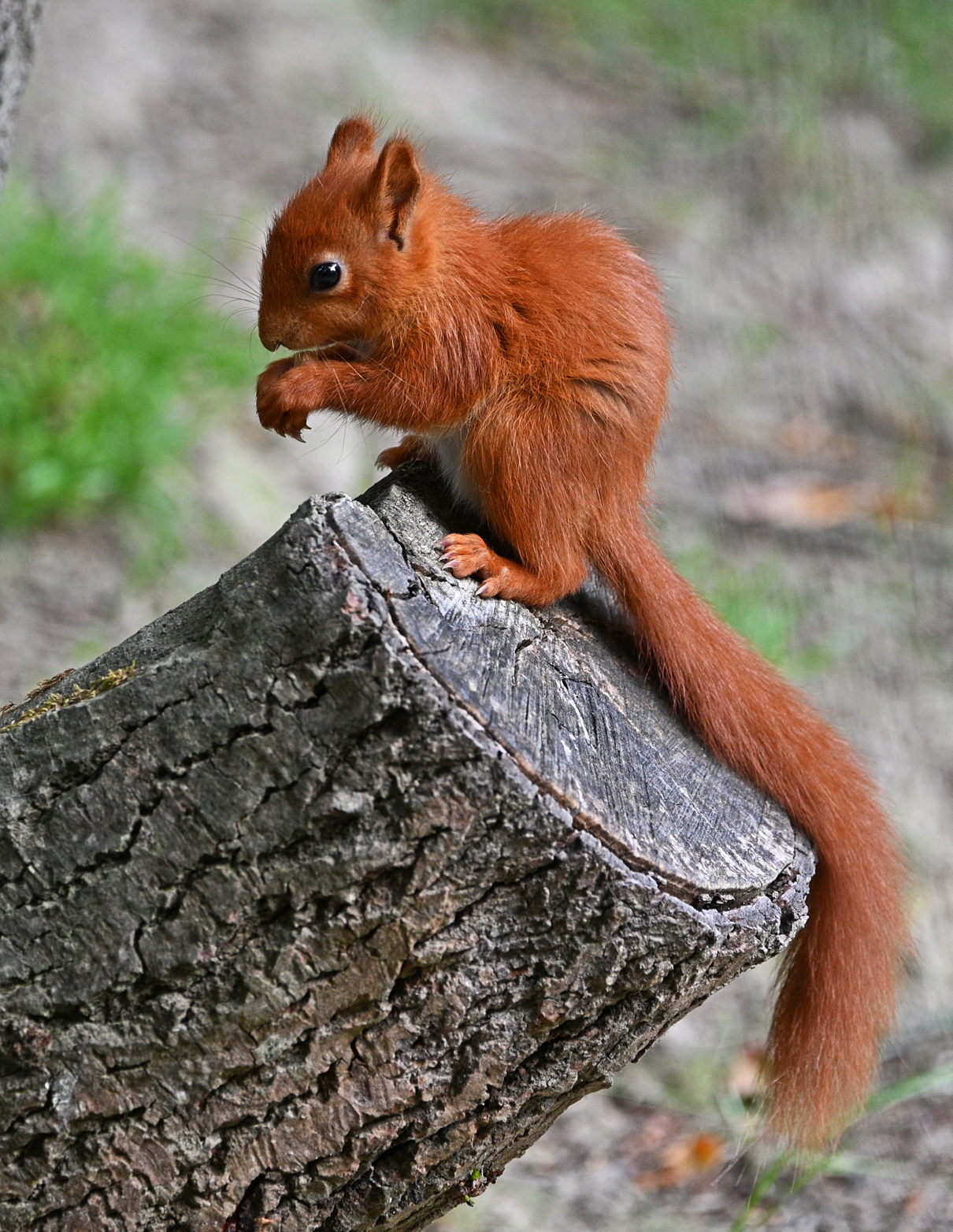
Red squirrel recovery. The recently released England Red Squirrel Recovery Strategy, commissioned by Natural England and produced by the Zoological Society of London with support from the UK Squirrel Accord, outlines the actions necessary to stand a chance of reversing the dramatic decline of red squirrels, now believed to number fewer than 40,000 in England after losing about 95% of their range. A principal driver in the decline is the invasive grey squirrel, which competes for resources and can spread the squirrelpox virus, which is usually fatal to reds. Over two years, scientists and more than 60 stakeholders developed and assessed 18 potential recovery strategies using structured decision-making that also considered social and economic factors. The findings suggest widespread, coordinated control of grey squirrel populations offers the best chance for national recovery -- though it's costly, raises welfare concerns, and some argue is futile -- while more localized approaches combining targeted grey squirrel shooting with red squirrel reintroductions to “provide a more balanced, lower-cost alternative. Overall, the report concludes that restoring red squirrel populations is achievable through coordinated efforts that carefully balance ecological success, costs, animal welfare, and public support.
Overheating sharks. A new study by Trinity College Dublin and the University of Pretoria, published in the journal Science, reveals that rare "mesothermic" fish -- such as tunas and sharks like the great white and basking shark -- use nearly four times more energy than cold-blooded fish of similar size because of their ability to retain body heat, which enables them to swim faster and hunt more efficiently than their "cold-blooded” counterparts, but at a significant metabolic cost. Using biologging sensors and metabolic analysis, the researchers found that as these fish grow larger, they generate heat faster than they can dissipate it, increasing their risk of overheating—especially in the face of rising ocean temperatures. This creates what we call "heat-balance thresholds", beyond which fish must alter their behaviour, such as diving into cooler waters, often at the expense of feeding efficiency. Consequently, warming oceans are expected to shrink their habitable ranges, pushing them toward cooler regions and making them more vulnerable to environmental stress and overfishing. Overall, the research highlights how climate change is placing these high-performance predators under growing physiological strain, threatening their survival and reshaping marine ecosystems.
For a round-up of Britain's seasonal wildlife highlights for early summer, including deer fawns, cuckoos, and the elusive slowworm, check out my Wildlife Watching - June blog.