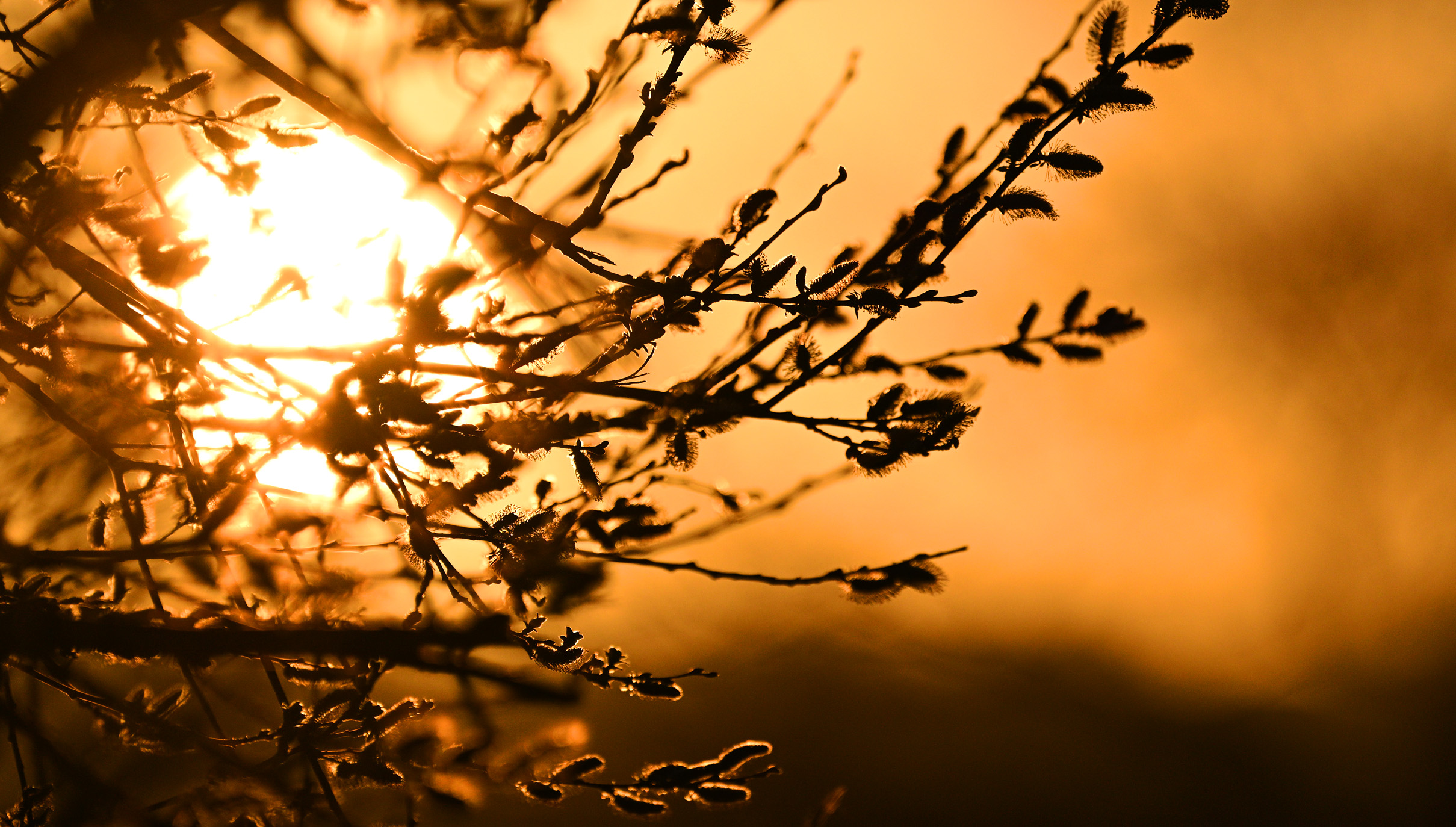
Last month presented something of a chaotic mix of record warmth and sudden winter blasts. During the first week, London recorded an unseasonably warm 19.2C (66.6F), only for an Arctic shift to trigger hill snow in the north just 48 hours later. Early March also saw Saharan dust plumes create "blood rain" across the country, followed by a transition into the unsettled and breezy conditions that hung around for the remainder of the month. Despite some chilly nights, however, we did see a reasonable amount of sunshine, which made it feel more like spring had sprung. The remainder of March was a cooler and cloudier affair with periodic showery outbreaks.
Website news
The Chinese water deer and reindeer Speed Reads have been revised and updated in the past couple of weeks to make them more comprehensive and move them away from the very brief, fragmented format in which they were initially conceived.
News and discoveries
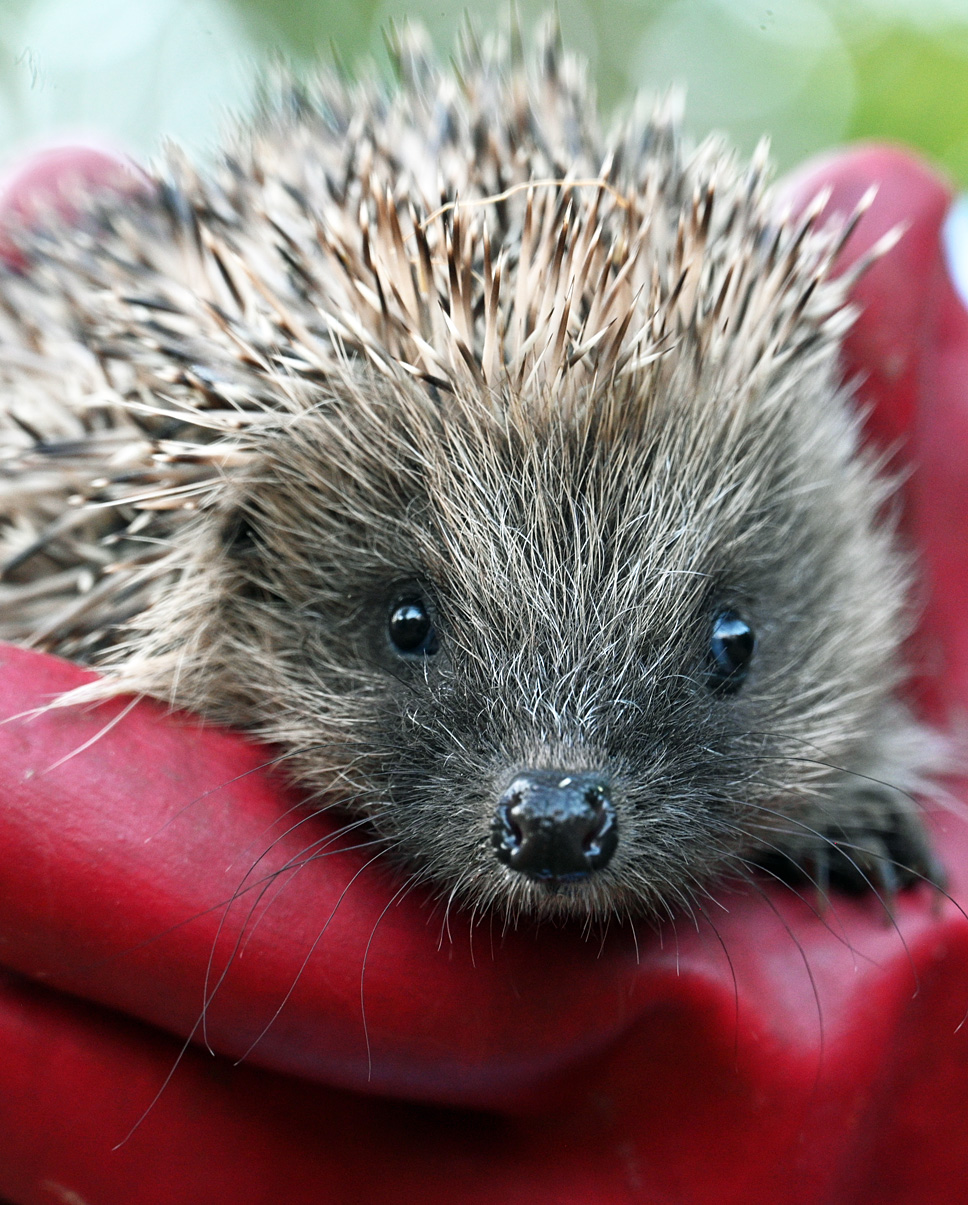
Hedgehog hearing. Despite the hedgehog being familiar to most of us, much of its biology remains poorly understood, particularly the sensory systems. A new paper in Biology Letters, led by Sophie Lund Rasmussen, helps fill one of these gaps by assessing the ear anatomy and hearing of hedgehogs brought into Danish wildlife rescue centres in 2024 and 2025. Micro-CT scanning of a dead animal revealed small, dense middle ear bones, a partially fused joint between the eardrum and malleus, and a small stapes. This anatomy suggests efficient transmission of high-frequency, potentially ultrasonic, sound. The cochlea was also short and compact, consistent with efficient ultrasonic processing. The team then measured the auditory brainstem response of live, sedated animals, recording the brain's electrical response to sounds via electrodes on the head. These data showed hedgehogs could hear between 4 kHz and 85 kHz, with peak sensitivity around 40 kHz. The researchers now hope to explore whether this ultrasonic hearing could inform repellents to steer hedgehogs away from roads, while also shedding light on how urban noise may be affecting this fast-declining mammal.
Nature notes. Most of us are familiar with getting change, or money out of an ATM, to find it has a new public figure on it, as the design of banknotes are changed every 10 to 15 years. In July 2025, the Bank of England ran a public consultation to find out what people would like to see on English banknotes and nature emerged as the most popular theme. Ignoring complaints from some leading political figures that it was the "definition of woke" or "erasing our history", the Bank of England announced last month that future banknotes in England will feature British wildlife instead of historical figures. To select these species, a specialized panel of experts -- including wildlife broadcasters Gordon Buchanan and Miranda Krestovnikoff, conservationists Nadeem Perera and Katy Bell, and academics Professors Steve Ormerod and Dawn Scott -- is creating a shortlist for a final public vote later this summer. This new series will eventually replace the current reverse-side portraits of Winston Churchill (£5), Jane Austen (£10), J.M.W. Turner (£20), and Alan Turing (£50). While the portrait of the King will remain on the front, the transition to native UK animals and plants is intended both to celebrate natural heritage and to enhance anti-counterfeiting security through complex biological patterns.
Deer dilemma. In February, the UK government launched a 10-year Deer Management Strategy in response to a boom in deer populations in the past decade. The strategy introduced the CL55 class licence to streamline night shooting in England. This new system replaces individual site-specific permits with a registration-based model, allowing authorized managers to shoot from one hour after sunset until one hour before sunrise. To be eligible, applicants must fall into one of four categories, which generally require a basic deer stalking qualification (like PDS1 or DSC1) and a specialized Night Shooting Certificate (NSC), or significant prior licensed experience. The licence covers Red, Fallow, Roe, Sika, Muntjac, and Chinese water deer, as well as Red/Sika hybrids, but only during their respective open seasons. The open seasons for males generally run from August to April -- except for Roe, which is April to October, Water Deer, which is November to April for both sexes, and Muntjac for which there's no closed season -- while the female season for most species is November to March. Notably, the CL55 licence also permits the use of thermal imaging and night vision rifle scopes for the first time in England, a measure intended to ensure safe and humane control. All night shooting activity must be reported to Natural England within 14 days.

Road risks. A new study by researchers from Cardiff University suggests that Great Britain's landscape is heavily fragmented by roads, with more than 70% of roadless areas measuring under 1 km² – smaller than the habitat required by many mammals and increasing risks such as wildlife-vehicle collisions. Using OpenStreetMap data, the team mapped roads and surrounding "road effect zones" to identify untouched land patches, revealing potentially thousands of fragmented areas, depending on the buffer size used (100 m to 1 km). Most roadless patches were smaller than 1 km² in size, with only a small minority greater than 100 km². Roadless areas were largest and most concentrated in Scotland, particularly around the Scottish Highlands and Cairngorms National Park, while England had the lowest proportion of roadless land overall. The study, published in Scientific Reports in February, also found that 53% of roadless areas lack protected status, and many protected overlaps are only partial, underscoring the need to expand and better connect conservation zones. The findings highlight the extensive ecological impacts of roads -- including habitat fragmentation, biodiversity loss, and millions of annual wildlife deaths -- with species like the European badger especially vulnerable due to home ranges larger than most remaining roadless patches.
For a round-up of Britain's seasonal wildlife highlights for mid-spring, including moles, deer antler growth, and kingfisher courtship check out my Wildlife Watching - April blog.