Deer (Overview) - Antler Development Summary
Despite the terms sometimes being used interchangeably, antlers and horns are actually very different anatomical structures. Horns consist of a bony projection of the frontal (forehead) bone enclosed by a keratin sheath, maintained by a continuous venous and nervous supply that allows keratin to be deposited throughout the animal's lifetime – making them permanent, ever-growing structures. Antlers, by contrast, are made entirely of bone and develop from a specialised paired outgrowth on the skull called the pedicle, rather than from the frontal bone itself. During their growth phase, antlers are covered in velvet – a soft, pinkish-grey, hair-covered skin densely packed with blood vessels and nerves, making it highly sensitive to the touch. So critical is this blood supply that any damage to the velvet can cause the developing antler to grow deformed.
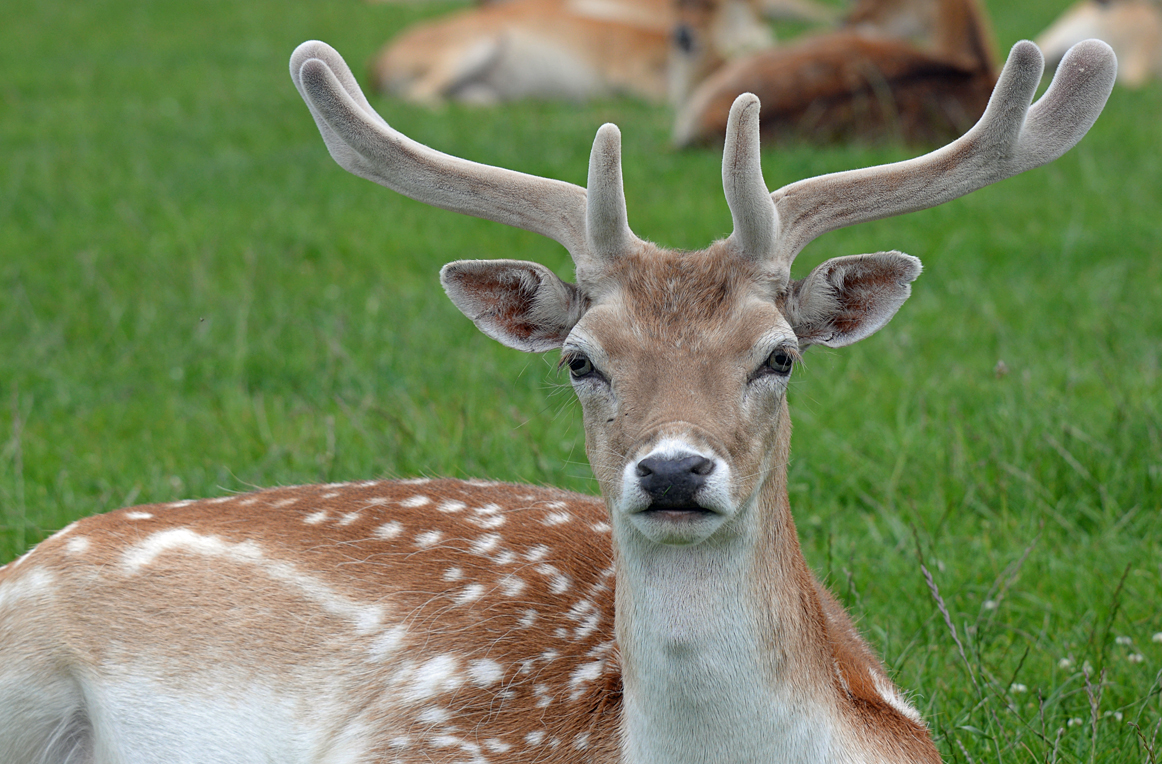
In her 1991 book Deer, biologist Norma Chapman explains that the basic antler pattern is genetically fixed for a species, though the exact form and size are influenced by both parentage (genetics) and habitat/food quality. Interestingly, not all deer build their pedicles the same way. In a 2002 paper in the European Journal of Wildlife Research, Uwe and Horst Kierdorf at the University of Giessen reported that roe deer (Capreolus capreolus) pedicles form by a different process to those of red (Cervus elaphus) or fallow deer (Dama dama). In the latter two species, the pedicles begin as a cartilage scaffold that is gradually replaced by bone – a process called modified endochondral ossification, broadly similar to how most bones in the vertebrate skeleton develop. In roe deer, however, no cartilage intermediate is produced; instead, bone is deposited directly from the connective tissue membrane surrounding the pedicle site, a process known as intramembranous ossification – the same mechanism by which the flat bones of the skull form. Despite this difference in pedicle formation, antler growth itself proceeds by endochondral ossification in all three species.
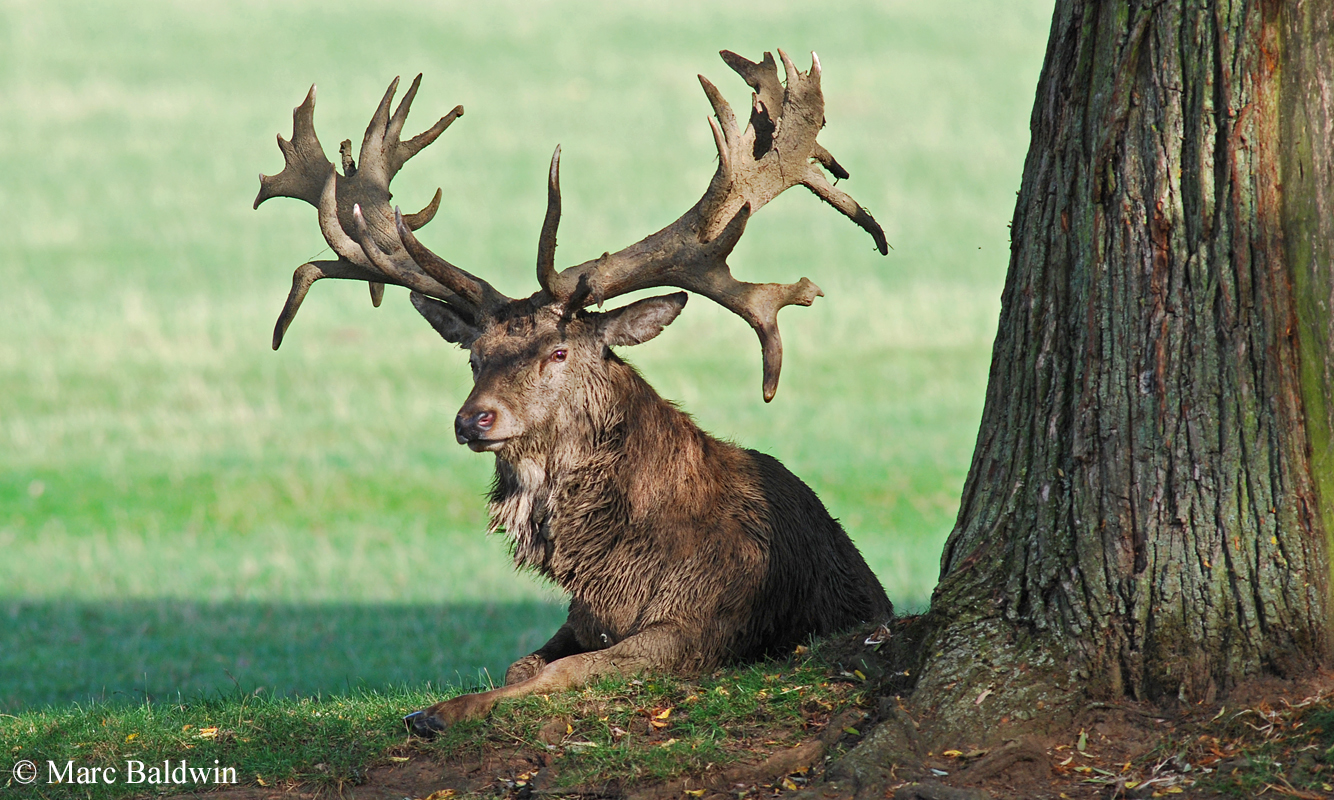
Once antler growth is complete, the velvet dries up and is shed – at this point, the deer is said to be "in tatters". Velvet death is under hormonal control: antlers possess androgen receptors, and a rise in circulating testosterone, triggered by increasing day length, severs the blood supply and causes the velvet to die and dry out. This typically takes less than 24 hours, though the deer may take several days to physically remove all the dead skin by rubbing its antlers against trees, bushes, fences, and other objects in the environment. Once completely stripped, or "cleaned", the animal is said to be "in hard horn" – something of a misnomer, since even cleaned antlers retain a residual vascular connection that helps keep the bone moist, contributing meaningfully to their strength in combat. They are nonetheless considered dead bone: the nerve supply has been cut, and the remaining blood flow is insufficient to repair damage sustained during the rut.

Once the rutting season ends, testosterone levels drop and the antlers are shed – a process known as casting. The role of androgens in maintaining antlers is well demonstrated by castration studies: removing the testes of a stag in hard horn triggers casting and regrowth, but the velvet never dries out and the antlers are never shed again, while administering testosterone prevents casting entirely. Under normal circumstances, antlers are shed and regrown annually in synchrony with the breeding season. Red, fallow, and sika (Cervus nippon) cast during April and May, with new antlers cleaned and hardened by August or September in time for the autumn rut. Roe deer, which rut during the summer, cast in November or December and regrow their antlers over winter and early spring, with cleaning complete by April or May.
Reeves' muntjac appear to be a special case, having effectively decoupled their antler and reproductive cycles. Several authors record casting occurring in April or May, but the timing seems highly variable -- I have observed bucks in velvet in March and with fresh antler buds in early June -- consistent with their ability to breed at any time of year. Reindeer are unusual in two further respects: females routinely carry antlers, and while their antler cycle remains under hormonal control, it appears to be driven by reproductive status rather than the photoperiodic cues that synchronise casting in other deer. Mature bulls experience a sharp drop in testosterone immediately after the rut, causing them to cast in November, while immature males and non-pregnant cows follow in February, and pregnant females retain their antlers until May, shedding them shortly after calving – a pattern that reflects the demands of pregnancy and lactation rather than changing day length.
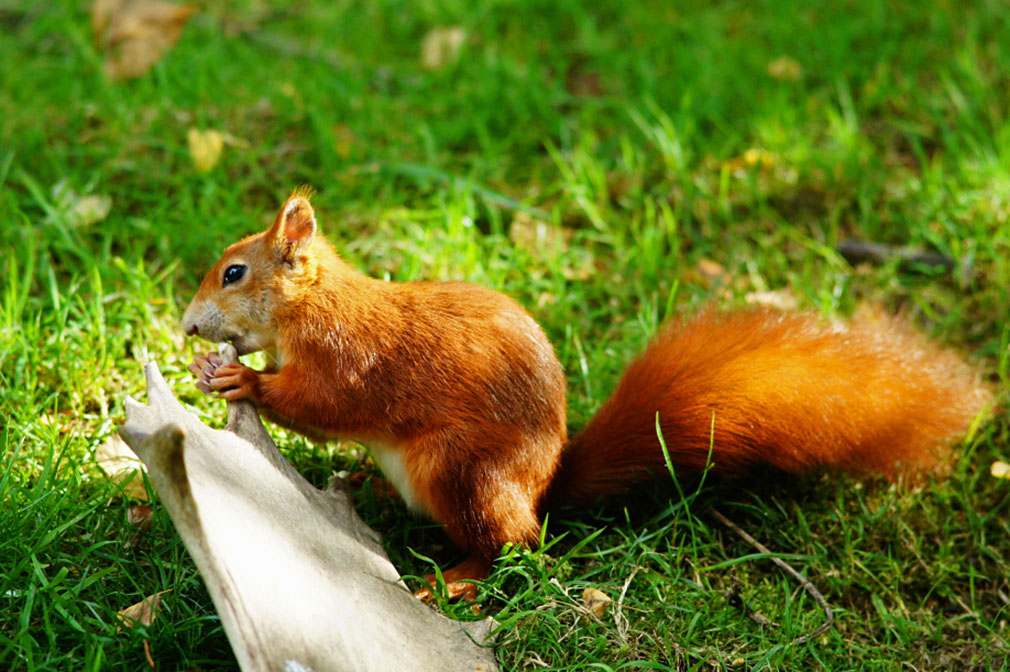
Antlers are composed of minerals including calcium, phosphorus, sulphur, magnesium, and potassium, and represent a significant nutritional resource -- and therefore a commodity -- in many woodland and grassland ecosystems. This is reflected in how readily shed antlers are chewed by deer and other animals, particularly rodents such as mice and squirrels, helping explain why cast antlers rarely persist for long and why we are not knee-deep in them every spring. It also underlies the conservationist advice to leave antlers where you find them rather than collecting them. Different parts of the antler appear to be targeted preferentially by scavengers, likely because composition varies considerably along its length: calcium content increases towards the base, while lipid concentrations are highest at the tip, and there is an apparent negative correlation between the two. The velvet, too, has nutritional value -- it contains a range of amino acids, including all eight that are dietarily essential for most mammals -- and is sometimes consumed by the deer in the process of shedding it.
Antler deformities arise through two main routes: disruption of sex hormones, typically through testicular damage, and physical trauma to the growing antler, the pedicle, or the frontal bone from which the pedicle develops. The resulting antlers may be stunted or asymmetrical and may fail to cast normally, or at all. The severity and permanence of the deformity broadly reflects the extent of the injury – mild trauma may be corrected in subsequent years as the antler regrows, while more serious damage can result in lasting malformation. Damage to the frontal bone itself can prevent antler growth entirely. With advancing age, antlers tend to "go back" -- reducing in complexity and symmetry -- and the pedicles begin to spread and tilt, sometimes merging together.
The function of antlers has been debated for decades, though the most widely accepted view is that they evolved primarily as weapons in competition for resources – predominantly, but not exclusively, mates. They serve this purpose in several overlapping ways. First, antler size is an honest signal of fitness: although genetics and environment both play a role, producing a large antler set carries a considerable energetic and nutritional cost, meaning that an impressive head ornament reliably advertises an animal in good condition and, by extension, a potentially suitable mate. Second, antlers allow rivals to assess one another's competitive potential from a distance during the rut, reducing the need for costly physical confrontation. Third, and perhaps most fundamentally, they are weapons – used both to repel challengers and to press an attack.
An intriguing additional function has been proposed for species with palmate antlers. A 2008 study by George and Peter Bubenik, published in the European Journal of Wildlife Research, suggested that the broad, flattened antlers of the European moose (Alces alces) may act as parabolic reflectors, concentrating sound energy from a wide surface area into the animal's ear and thereby sharpening its hearing. If correct, this acoustic advantage may extend to other palmate-antlered species such as fallow deer – though this remains speculative.
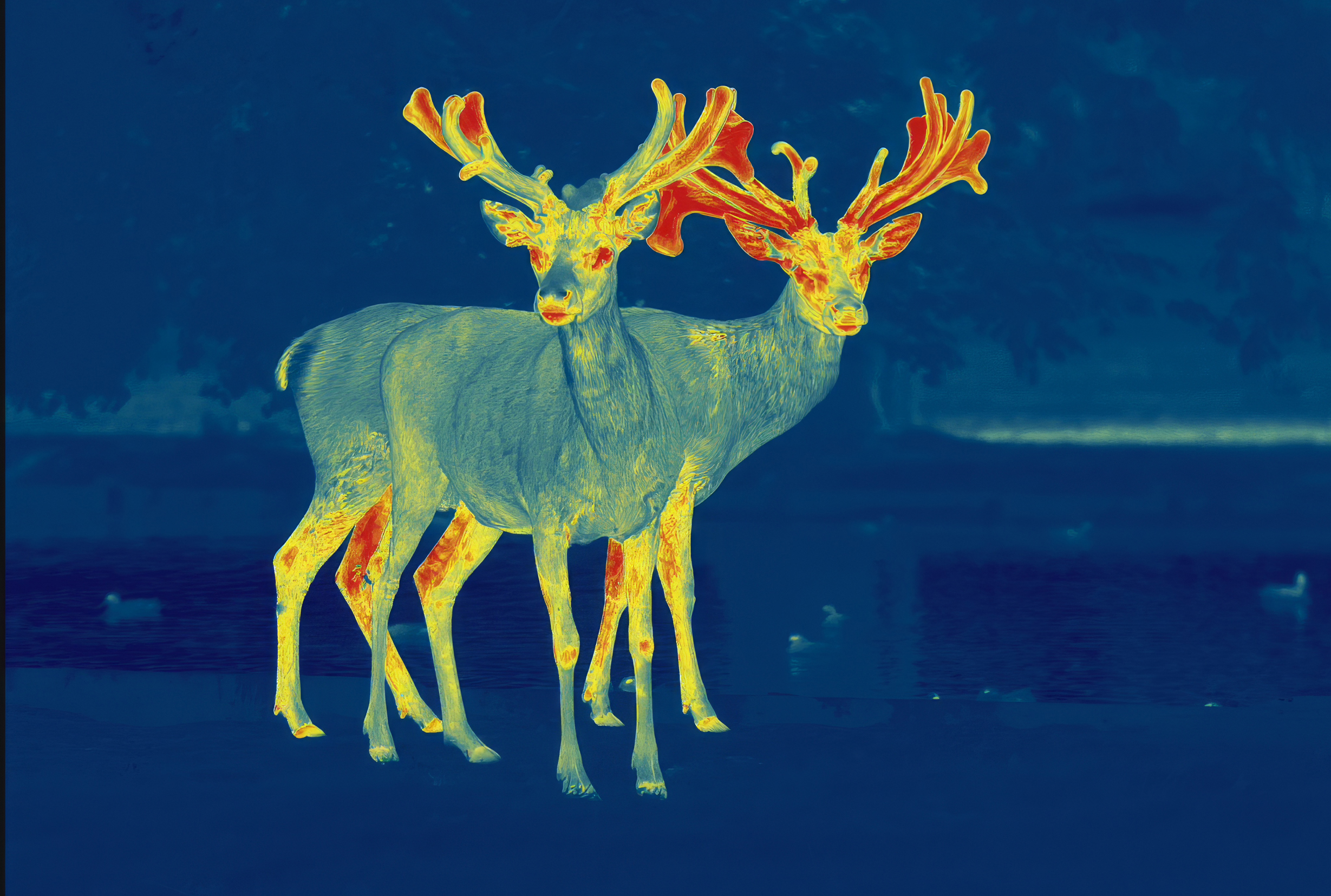
In recent years, improvements in genomic analysis have shed light on the antiquity of antler and horn development, pointing to many of the same genes being involved in the formation of both structures across deer and bovids – the group encompassing cows, sheep, goats, and antelope. Within the deer family specifically, a 2026 genomic analysis led by Zhenyu Zhong at the Beijing Milu Ecological Research Center identified strong positive selection in genes related to stem cell differentiation and bone metabolism, particularly in tissues involved in antler growth and regeneration. Certain deer lineages showed convergent evolution in a key developmental pathway known as RAS/MAPK, suggesting that different groups independently refined the same molecular toolkit to enhance antler development. The antlerless Chinese water deer, by contrast, showed relaxed selection in genes linked to tumour suppression and skeletal regulation – consistent with having no antlers to grow or maintain.
Taken together, these findings, published in Zoological Research, suggest that antler evolution has reshaped profound physiological trade-offs: enhancing regeneration and bone remodelling while keeping in check the cancer risk that such rapid tissue growth would ordinarily carry. This is worth dwelling on, because some of the genes driving antler growth are the same ones implicated in cancer in other mammals. Antlers are, in effect, a controlled form of rapid bone growth -- analogous in some ways to a tumour -- held in check by a highly active suite of tumour-suppressor genes. This may also help explain why deer appear less prone to cancer than many other mammals.
The regenerative properties of antlers have not gone unnoticed by humans. The potential medicinal value of antler and velvet has been a staple of traditional Chinese medicine for millennia, and in recent decades deer farms have been established across Asia specifically for their production – the resulting products marketed in tablet form as treatments for ailments ranging from impotence to arthritis, and as general immune enhancers. Needless to say, robust human clinical evidence supporting such claims is lacking, although researchers are currently studying the biochemical and molecular aspects of antlers growth hoping to apply findings to cancer diagnosis and treatment in humans.
A more comprehensive discussion of antler growth and development, and the various functions they serve, can be found in the antler Q&A.
Bibliography
Bubenik, G.A. & Bubenik, P.G. 2008.
Palmated antlers of moose may serve as a parabolic reflector of sounds.
European Journal of Wildlife Research. 54: 533-535.
Kierdorf, U. & Kierdorf, H. 2002.
Pedicle and first antler formation in deer: anatomical, histological, and developmental aspects.
Zeitschrift für Jagdwissenschaft. 48: 22-34.
Zhong, Z. et al. 2026.
Phylogenomic analysis of Cervidae provides insights into antler origin and evolution.
Zoological Research. 47: 289-302.